



Automotive ABS Plastic Sheet vs Polycarbonate for Custom Vehicle Parts
 Aug 12, 2026|
 View:135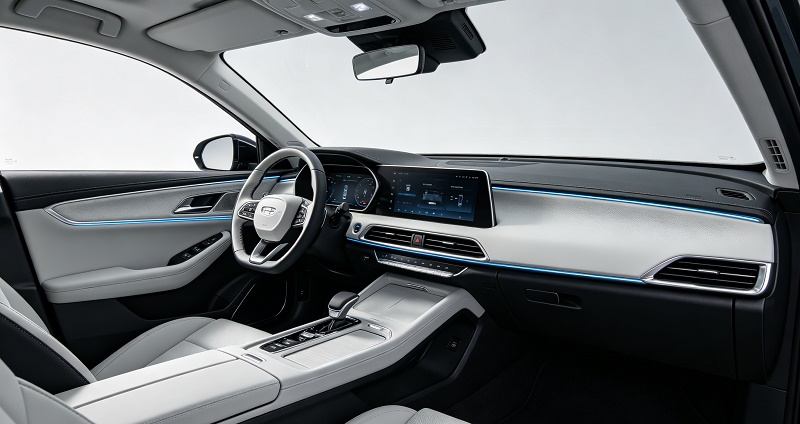
Builders choose an automotive abs plastic sheet for affordable heat-shaping, detailed interior panels, and scratch protection. In contrast, engineers pick polycarbonate for see-through clarity, super strong crash protection, and high heat limits. Custom vehicle projects require dependable results. Modern mixed-material choices from Chang Zhou Xinhejiu Composite Materials Technology Co., LTD handle these old performance trade-offs well. Regular abs plastic provides great shape retention. Unique abs sheets, ASA/ABS, PC/ABS, and PMMA/ABS blends broaden what materials can do for custom uses.
Makers test these materials using a handy comparison system. Important factors include toughness against hits, sunlight weathering, heat limits, simple heat-shaping, and total sheet pricing. Picking polycarbonate or flexible composite choices ensures the best possible part life.
Key Takeaways
ABS plastic sheets reduce making costs and offer easy heat-molding for detailed inside car panels.
Polycarbonate offers extreme toughness against hard hits and great transparency for see-through vehicle shields and covers.
Mixed ABS plastic materials block harm from direct sunlight and make outdoor vehicle parts safer in high heat.
Getting plastic sheets cut to exact sizes and matched to factory colors reduces extra trash during custom car projects.
Material Comparison: Polycarbonate vs Automotive ABS Plastic Sheet
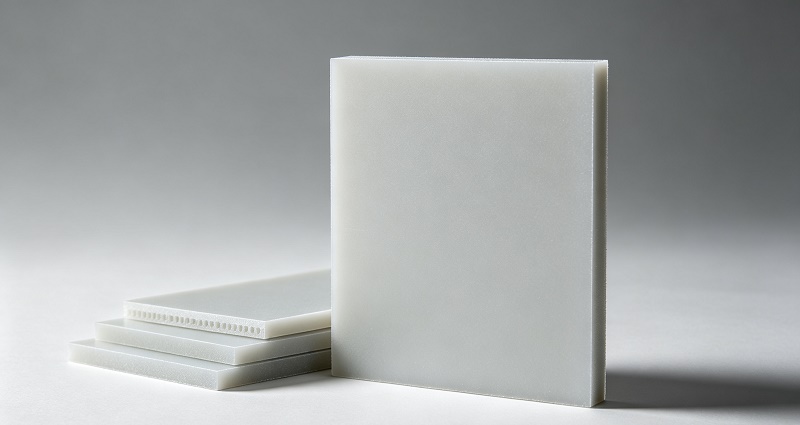
Car builders test raw plastic materials with tough physical challenges. They check heat limits, strength, clear view, scratch resistance, and building costs before picking sheets for custom cars. Learning these main material differences helps custom builders boost long-life strength while saving money. Matching plastic traits shows building limits for special vehicle projects.
Physical and Thermal Property Breakdown
Car parts handle heavy heat stress and weather changes inside and outside the vehicle. Heat limits show if a part keeps its shape under hard working conditions. Polycarbonate shows great heat resistance, holding its shape up to about 132°C. Normal polycarbonate sheets reach heat limits of 140°C under light 0.45 MPa pressure and 128–138°C under heavy 1.8 MPa pressure. Regular abs sheets reach heat limits between 95–110°C under light pressure and 80–100°C under heavy pressure. Glass-filled abs sheets raise these heat limits to 108–120°C at light pressure and 95–110°C at heavy pressure.
Property | Automotive ABS Plastic Sheet | Polycarbonate |
|---|---|---|
Heat Deflection Temperature (Approximate) | ~97°C | ~132°C |
Thermal Expansion Coefficient (10⁻⁶/°C) | 90 | 65 |
Raw Material Cost per Kilogram | $2.00 - $3.00 | $4.00 - $5.00 |
Heat growth speed changes how parts fit together during sudden weather changes. An automotive abs plastic sheet has a heat growth rating of 90 x 10⁻⁶/°C. Polycarbonate has a lower heat growth rating of 65 x 10⁻⁶/°C. Because of this, polycarbonate keeps its exact size better across big temperature changes during bad weather.
Smash strength changes a lot between these two plastic types. Polycarbonate gives top crash strength during sudden hard hit accidents. It keeps high smash protection even in freezing cold weather conditions. Standard abs plastic shows steady strength at normal indoor temperatures. But pure abs mixes show lower smash strength in freezing cold weather. Polycarbonate offers amazing clear views for see-through light covers, front windows, and safety shields. Solid color options block light while resisting scratches on inner car surfaces.
Cost and Weight Performance Thresholds
Basic plastic prices strongly shape build budgets for custom car projects. Plain abs plastic costs $2.00 to $3.00 per kilogram. Polycarbonate costs a higher price of $4.00 to $5.00 per kilogram. Builders pick abs sheets to lower raw material costs on solid structural car panels.
Choosing a strong material like abs plastic lowers build costs while giving steady strength for detailed inner car spaces.
Saving weight stays a top goal for custom vehicle plans. Car builders replace heavy metal parts with lighter plastic sheets. Swapping steel panels for light plastic lowers total car weight by a lot. Lower overall weight improves gas mileage, quick speedups, and smooth steering feel. Builders choose polycarbonate when custom parts need clear see-through views and super strong toughness. They pick cheaper sheets for budget-friendly front dashboards, middle consoles, trim covers, and inner door panels. Checking exact part placement, heat danger, and hit risk ensures the best plastic choice for custom car builds. Picking the right plastic while watching cost limits prevents over-building while keeping strong part quality. These plastic trade-offs help builders get the best working results across all custom car jobs.
Automotive ABS Plastic Sheet Features and Applications
Key Advantages for Custom Vehicle Interiors
Custom vehicle interiors demand materials that blend safety, visual beauty, and long-lasting performance. An automotive abs plastic sheet delivers high structural stability and excellent dyeability for custom interior builds. Masterbatch dispersion allows precise color matching during production. Fabricators craft custom vehicle dashboards, door panels, instrument panels, and center consoles with absolute geometric precision.
Modern builders choose abs for critical cabin components because of its unique mechanical strengths:
Impact resistance: The material absorbs sudden shocks without breaking, protecting passengers during road impacts.
Thermal stability: The sheet maintains its exact shape through extreme hot and cold temperature changes.
Lightweight strength: Lower material weight improves fuel efficiency while preserving strong structural support for console enclosures.
Surface finishing option choices directly elevate cabin design quality. Xinhejiu provides smooth, matte, and rich textured surface finishes like lychee grain and sand grain patterns. Matte finishes eliminate reflection glare on dashboard covers. Textured surfaces increase scratch resistance and mask daily wear on high-touch interior automotive parts.
Xinhejiu Composite Options: ASA/ABS and PMMA/ABS
Outdoor vehicle parts require extra protection against severe sunlight exposure and weather elements. Standard abs plastic loses color over time when exposed to harsh sunlight. Chang Zhou Xinhejiu Composite Materials Technology Co., LTD manufactures specialized ASA/ABS composite sheets to solve outdoor degradation. The ASA top layer replaces vulnerable butadiene rubber with acrylic ester rubber. Accelerated weathering tests demonstrate that ASA/ABS withstands 1,500 to 3,000 hours of continuous UV testing. It retains over 80% of its original impact strength after 5 years outdoors. This technology extends component lifespan for exterior trim applications.
Xinhejiu PMMA/ABS sheets provide a mirror-like high-gloss finish for luxury exterior components. The PMMA surface layer delivers superior scratch resistance with an F-H pencil hardness rating. This co-extruded material offers an eco-friendly spray-free solution for vehicle builds. Eliminating secondary painting processes reduces manufacturing costs and cuts harmful VOC emissions. Designers achieve exceptional gloss, high durability, and brilliant aesthetics across diverse automotive applications.
Polycarbonate Performance: Applications and Usage
Custom vehicle builders choose polycarbonate for very tough physical needs. Polycarbonate gives an impact resistance about 250 times higher than regular glass. Solid polycarbonate sheets let 88–90% of visible light pass through completely. This strong material works continuously across a wide temperature range from -40°C to 120°C. Fabricators shape these sheets inside a forming heat range of 300–500°F (149–260°C).
Extreme Impact Resistance and Clarity Usage
Rally car windshields, clear light covers, and protective shields need high clarity and strong physical structure. Polycarbonate stays clear while taking hard road debris hits without shattering into pieces.
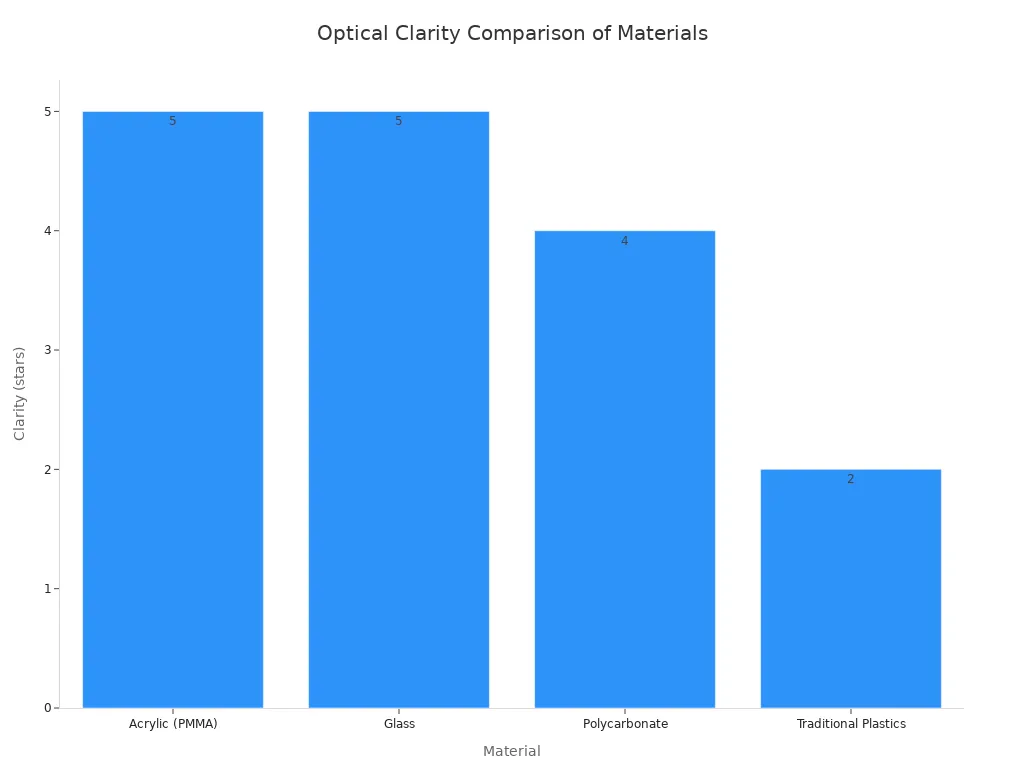
Engineers depend on this clear plastic for high-stress vehicle parts. Polycarbonate resists cracking under severe outdoor stress. Builders select this plastic for protective shields that handle heavy hit risks during wild off-road races.
Xinhejiu PC/ABS Alloy for High-Heat Builds
Hot cabin designs require specialized materials. Chang Zhou Xinhejiu Composite Materials Technology Co., LTD makes the Xinhejiu PC/ABS sheet to handle these heat needs. This engineered plastic blend combines polycarbonate heat strength with easy abs molding. The sheet offers high impact resistance with a notch impact strength of 18–45 kJ/m². The material keeps its mechanical strength in cold weather down to -30°C.
The table below shows key technical numbers for Xinhejiu PC/ABS sheet performance:
Performance Metric | Standard Specification |
|---|---|
Heat Distortion Temperature | 100–130°C |
Vicat Softening Point | 112–142°C |
Tensile Strength | 50–70 MPa |
Flame Retardancy (UL94) | V0 rating at 1.6mm–3.0mm |
Custom vehicle builders pick PC/ABS blends for hot cabin parts and electrical boxes. The UL94 V-0 rating ensures quick self-extinguishing safety after meeting open flames. The alloy absorbs very little water and holds exact sizes. Fabricators shape these sheets easily into complex forms for fast train parts and custom car interiors. This flexible material meets tough safety rules across modern car uses.
Custom Fabrication Guidelines for Automotive Plastics
Machining, Cutting, and Vacuum Thermoforming
Workers make custom car parts using sharp tools to stop cracks. CNC machines quickly cut smooth edges on the plastic sheets. Workers drill holes gently without pushing down too hard. Interior car trim usually needs sheets that are 2 to 5 millimeters thick. This thickness keeps the sheet stiff during shop work while keeping it easy to shape.
Vacuum thermoforming bends hot plastic sheets into strong panels. Workers follow a step-by-step process to heat and shape the plastic:
Heating: The plastic sheet heats up in an oven until it gets soft all over.
Placing over mold: Workers move the hot sheet fast to cover the mold evenly.
Creating vacuum: Air pumps pull out the trapped air so the plastic fits the curves.
Cooling: Fans blow cool air to harden the shape and stop it from twisting.
Trimming and finishing: Workers cut away extra plastic and smooth down every rough edge.
You must dry polycarbonate in a hot oven at 125°C before heating so air bubbles do not ruin the surface.
To keep abs sheets from bubbling, heat them between 150°C and 180°C while shaping. Staying in this exact temperature range helps make smooth, clean parts every time.
Bonding, Surface Painting, and Spray-Free Finishing
Workers glue abs plastic parts together using liquid chemical glues. These special glues melt the plastic edges so they fuse into one solid piece. Workers clean the edges very well before adding any glue. Good cleaning removes dirt, dust, and oil from the plastic.
Builders use polycarbonate when custom cars need extra strong protection. These sheets need safe glues so the plastic does not crack near the joints. Layered sheets help make final building steps much simpler. Xinhejiu clear-coat sheets cut painting costs and lower bad air pollution. These smart plastic sheets give a bright shiny look right out of the mold.
Choosing Xinhejiu Plastic Sheets for Custom Vehicles
Decision Matrix by Vehicle Component Type
Car builders pick sheet materials based on heat levels and outdoor weather. Inner car spaces like dashboards, middle consoles, and door panels need long daily wear, clean styling, and steady strength. An automotive abs plastic sheet offers a great balance of toughness, stiffness, and hit safety for inside parts. Meanwhile, polycarbonate keeps its exact size better inside warm spaces. Regular abs plastic turns soft at high temperatures that polycarbonate handles with ease. Strong heat limits in polycarbonate make the extra cutting work worth it for hot engine bays.
Outer vehicle spaces need high defense against direct sunlight exposure and wild weather changes. Sun-safe plastics and composite options like ASA/ABS guard outside panels against harsh sun fading and bad weather wear over long periods. These tough sheets ensure long part lives across hard outdoor climates.
Application Area | Recommended Materials | Key Environmental Drivers |
|---|---|---|
Cabin Components | ABS, PC/ABS | Wear resistance, finish quality, structural strength |
Exterior Panels | ASA/ABS, PMMA/ABS | Temperature swings, UV exposure, weatherability |
High-Heat Areas | Polycarbonate, PC/ABS | Thermal stability, elevated heat deflection |
Custom Sizing and Engineering Support
Buying materials straight from Chang Zhou Xinhejiu Composite Materials Technology Co., LTD gives big shop benefits. The factory makes custom sheet thickness options from 0.5mm up to 12mm. Exact color matching removes costly painting steps while keeping matching colors across all car builds. Ordering custom sheet sizes cuts down raw material waste and lowers scrap during final edge trim cuts.
Unlike many plastics, ABS does not lose its structural integrity after recycling. This allows manufacturers to reuse ABS scrap from automotive parts, reducing the need for virgin material and lowering the carbon footprint.
Tech experts at Xinhejiu give full building help to pick the best plastic blends for custom vehicle jobs. Using custom sheet products cuts factory wait times while raising finished car quality. Builders get lasting part life, easy shop shaping, and budget-friendly vehicle projects.
Custom vehicle builds require a smart material choice. An automotive abs plastic sheet offers simple heat-shaping, lower costs, and scratch defense for detailed inner panels. Meanwhile, polycarbonate provides super strong crash protection, see-through clarity, and high heat limits for tough safety shields. Engineers pick polycarbonate when parts must handle intense heat and hard hits. Choosing the best plastic ensures top long-term part life.
Chang Zhou Xinhejiu Composite Materials Technology Co., LTD supplies flexible sheet options for custom cars. Advanced abs mixes like ASA/ABS, PC/ABS, and PMMA/ABS blend light builds with solid structural strength. Custom builders and OEMs should reach out to Xinhejiu today to get exact sheet sizes, surface samples, and expert tech help.
FAQ
What makes polycarbonate better for high-impact custom car parts?
Polycarbonate offers great hit resistance for safety shields and clear lamp covers. It takes heavy hits without breaking into pieces. Builders pick polycarbonate instead of normal choices when parts handle bad road trash and strong heat.
Why do builders select an abs plastic sheet for vehicle interiors?
An abs plastic sheet holds its exact shape well and takes color easily for inner panels. Builders shape abs with basic heat methods. This cheap plastic resists scratches and gives strong support for dashboards, door trims, and middle consoles.
What are the main applications for composite ABS alloys?
Composite ABS alloys boost normal results for inside and outside car parts. Xinhejiu ASA/ABS sheets guard outer trims from strong sun fading. Xinhejiu PC/ABS mixes add fire safety and heat protection for inner electric boxes and warm structural parts.