


10 Creative Applications of ASA ABS Composite Sheets in Modern Design
 Oct 09, 2026|
 View:6
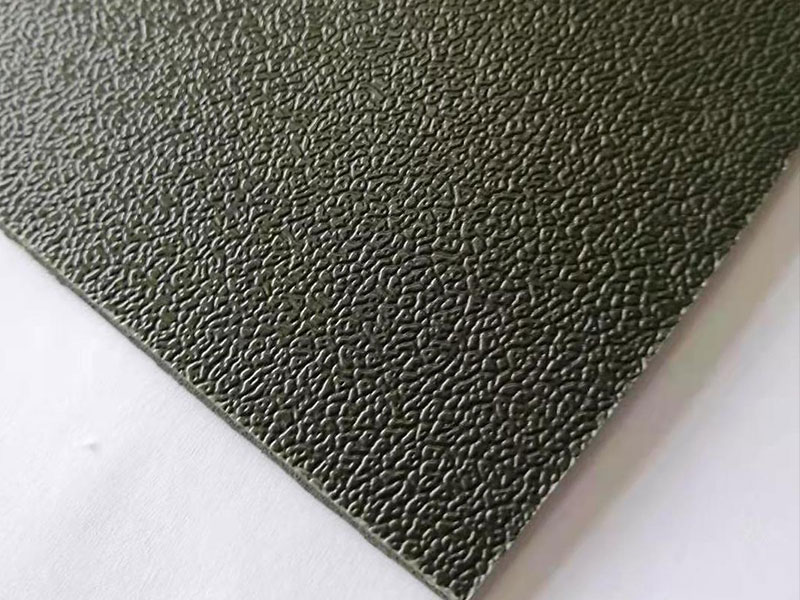
An ASA ABS composite sheet is a co-extruded thermoplastic blend. It pairs a UV-resistant ASA top layer with a tough ABS base. This mix helps in modern design. The ASA layer keeps its color outdoors for years. The ABS core takes hits without cracking. Makers thermoform the sheet into curves and complex shapes. Unlike wood, metal, or regular ABS, it needs little care. The material fights scratches, moisture, and temperature changes. These ten uses show its creative and practical range. They show how one material can work for facades, vehicles, furniture, signage, and more. Designers get freedom with long-lasting performance.
Key Takeaways
ASA ABS composite sheets resist UV rays, scratches, and impacts, so they last for years outdoors.
You can shape these sheets into curves and complex designs for buildings, cars, furniture, and signs.
The material keeps its color and strength in harsh weather, from hot sun to freezing cold.
ASA ABS sheets need little maintenance, which saves time and money on repainting or repairs.
They are safe for the environment and meet strict standards, making them great for schools and hospitals.
Exterior Facades With ASA ABS Composite Sheet
Sculptural Cladding and Privacy Screens
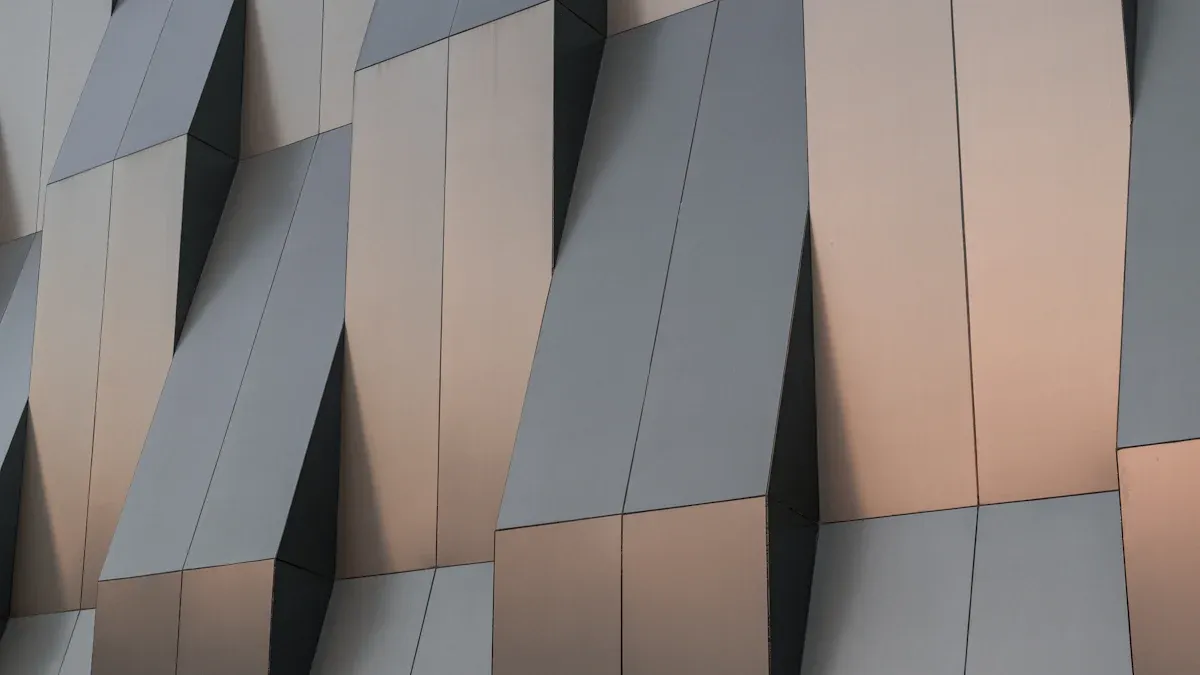
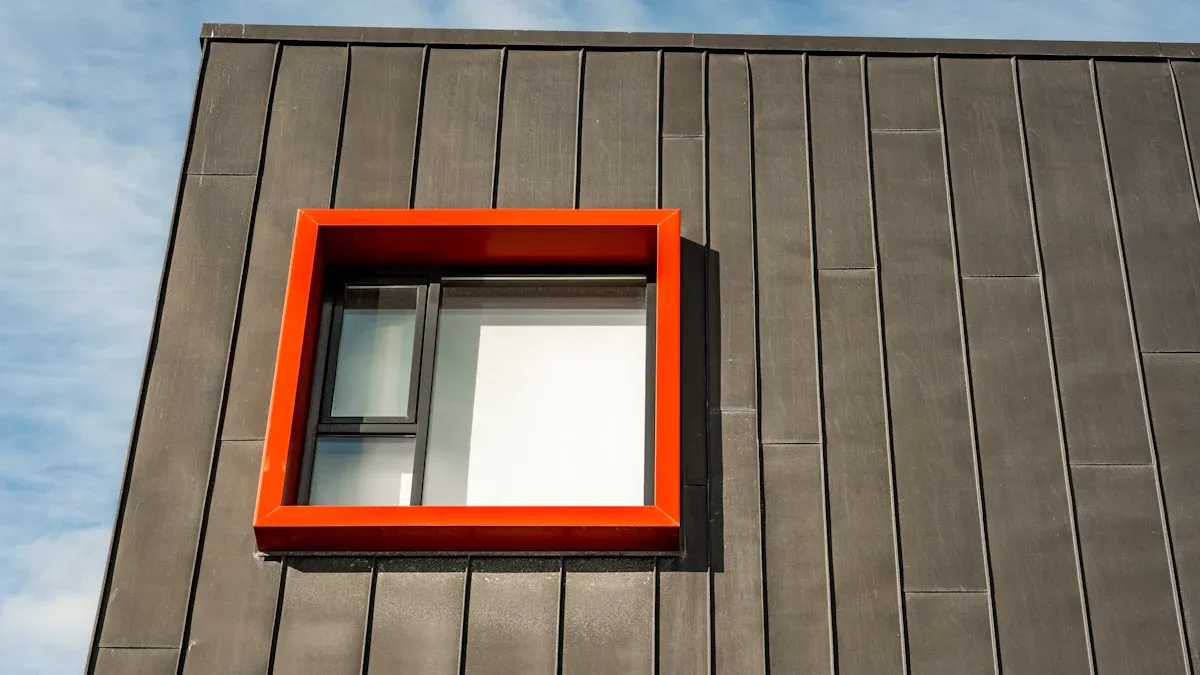
Architects use ASA ABS composite sheet to make curved, sculptural cladding for modern buildings. The material thermoforms into smooth arcs, sharp folds, and flowing panels. Designers shape privacy screens with cut-out patterns or louvered profiles. These screens block sightlines while letting air and light pass through. The sheet holds its form after vacuum forming, so complex geometry stays crisp over time. Builders also apply the co-extruded ASA ABS sheet to roof tiles and door skins. Each piece resists warping under heat and keeps a clean surface finish. Fabricators cut the panels without edge bursting, which preserves sharp corners and tight joints. This makes the material a strong fit for facades that mix function with bold visual statements.
Color Retention in Harsh Weather
Outdoor facades face constant sun, rain, and temperature swings. The ASA top layer protects the sheet from UV degradation. Testing shows UV resistance of at least 1500 hours. The material keeps more than 80% of its color after five years of outdoor exposure. That performance matters for buildings in sunny or coastal climates. Standard ABS yellows and chalks under the same conditions. The ASA/ABS sheet avoids that failure mode because its acrylic rubber layer replaces the butadiene rubber found in plain ABS. Building owners spend less on repainting and refinishing. The surface also resists scratches, so facades stay presentable through years of contact and weather. Architects specify this sheet when they need lasting color on facades, roof tiles, and door skins.
Automotive and Transportation Interiors
Dashboards, Trim, and Cargo Panels
Car makers depend on ASA ABS composite sheet for parts you can see and parts that hold things together. The material works well for outside trim, mirror housings, radiator grilles, and bumper covers. Inside the car, it is used for dashboards, door panels, armrests, and glove boxes. Cargo panels and utility boxes also gain from its strength. Xinhejiu's ASA/ABS SHEET fits these jobs because it mixes weather resistance with mechanical strength. The sheet handles heat near the engine bay and resists small hits from road debris.
ASA is a great material for many car parts, especially outside components. Its UV resistance helps stop parts such as mirror housings, radiator grilles, and trim pieces from fading, yellowing, or cracking in sunlight.
Fabricators pick this co-extruded ASA ABS sheet for its clean cutting and forming behavior. It shapes into complex dashboard curves and tight trim profiles without edge bursting. The material also accepts injection molding and thermoforming for high-volume production runs.
Impact Resistance for Daily Wear
Vehicles face constant vibration, road shock, and temperature swings. The ASA/ABS sheet delivers notched impact strength of 15–30 kJ/m². Its tensile strength reaches 40–50 MPa. These properties keep dashboards and cargo panels intact through years of daily use. The sheet also retains impact performance at low temperatures, which matters for cold-climate fleets.
Xinhejiu makes this material in an IATF 16949 and ISO 9001 certified factory. That certification gives OEM buyers confidence in consistent quality and traceable production. The company runs an in-house R&D laboratory and offers custom color matching for brand-specific interiors. Automotive and transportation manufacturers trust Xinhejiu as a reliable partner for durable, weather-resistant components.
Outdoor Furniture and Urban Installations
Benches, Planters, and Shade Structures
Cities and parks need furniture that can handle sun, rain, and lots of public use. Designers pick ASA ABS composite sheet for benches, planters, and shade structures. The material can be heated and shaped into curved seat shells, rounded planter walls, and angled canopy frames. Its smooth surface keeps off dirt and moisture, so it is easy to clean. The co-extruded ASA/ABS sheet also meets the structural needs of these pieces. A bench slat must hold up under repeated weight without sagging. A planter wall must hold soil and water without cracking. The ABS base gives the stiffness and impact strength that is needed. Shade structures gain from the sheet's ability to keep complex curves after vacuum forming. Fabricators cut and put together panels without edge bursting, which keeps joints tight and clean. These features make the material a smart choice for bus stops, park seating, and streetscape planters.
Vivid Color Under Constant Sun
Outdoor furniture sits in direct sunlight for many years. The ASA top layer shields the sheet from UV damage. Color stays bright instead of fading to a chalky white. Standard ABS turns yellow under the same conditions because its butadiene rubber breaks down. The ASA layer uses acrylic rubber instead, which fights off that problem. This difference gives the sheet a much longer outdoor life. The material also works well in cold weather. It keeps its impact strength at temperatures as low as -30°C. That is important for cities with harsh winters. A bench in Minneapolis or a planter in Montreal must make it through freeze-thaw cycles without getting brittle. The sheet stays tough through those changes. Designers choose it for year-round installations because it keeps both color and shape. Maintenance crews spend less time refinishing surfaces and more time on other tasks.
Custom Signage and Branding Displays
Precision-Cut Letters and Logos
Sign makers want smooth edges for bold letters and detailed logos. An ASA/ABS sheet allows exact cutting without edge bursting. This is important for channel letters, dimensional logos, and layered brand marks. The material keeps a sharp line when routers, saws, or laser cutters shape it. Fabricators avoid chipping and fraying along the cut path. That clean edge lets designers create tight curves and thin strokes. A logo with fine serifs or a script font keeps its detail after cutting. The co-extruded ASA ABS sheet also thermoforms into raised letters and embossed panels. Sign shops bend the sheet into 3D shapes for storefront signs and lobby displays. The ABS base gives the stiffness needed for large letters that span several feet. The ASA top layer provides a smooth surface for color matching. XHJ offers custom color matching and free sample books for early-stage design work. This support helps sign fabricators match brand colors across a full signage package.
Long-Term Outdoor Visibility
Outdoor signage faces constant sun, rain, and temperature changes. The ASA layer protects the sheet from UV damage. Color stays bright instead of fading to a dull, chalky finish. Standard ABS yellows under the same conditions because its butadiene rubber breaks down. The acrylic rubber in the ASA layer resists that breakdown. This difference gives the sheet a much longer outdoor life. Signage and kiosk housings are proven applications for this material. A storefront sign in Phoenix or a bus shelter kiosk in Seattle keeps its appearance through years of exposure. The surface also resists scratches from public contact. Cleaning crews wipe down kiosk panels without dulling the gloss. The sheet retains impact strength at temperatures as low as -30°C. That toughness matters for signs in cold climates. A dropped panel or a stray impact will not crack the surface. Designers choose this material for long-term visibility and low maintenance.
Interior Design and Furniture Components
Shelving, Wall Panels, and Modular Fixtures
Interior designers pick the ASA/ABS sheet for creative shelving setups. It thermoforms into curved brackets, shelves that stick out, and geometric wall units. They choose it for modular fixtures that change as spaces shift. A shelf with rounded edges beats a sharp-cornered wood box in narrow hallways. The sheet also makes decorative wall panels with raised patterns or flat faces. These panels cover big areas without visible seams. Makers vacuum form the sheet into panels that mimic wood grain or stone. The panels stay light, so installation on interior walls is easy. Design teams also build movable partitions, display cubes, and storage modules from the same material. The ABS substrate gives the stiffness for shelves that carry weight. The ASA cap gives a clean surface that spreads light evenly.
Scratch-Resistant Surfaces for Daily Use
Interior furniture meets constant wear. Books slide over shelves, bags rub wall panels, and hands touch modular units many times. The ASA/ABS sheet stands up to this wear because its surface is hard. It scores Rockwell R110-118 on the hardness scale. That score beats many painted plastics and untreated woods. The surface also keeps a mirror-like gloss that stays bright after many cleanings. Unlike painted MDF or laminated particleboard, the ASA top layer will not chip or peel. Standard ABS shows a flat, easily damaged surface in the same conditions. The co-extruded build removes the need for spray painting or protective coatings. This saves processing time and cuts VOC emissions in indoor spaces. Offices, retail stores, and homes gain from furniture parts that keep their finish without refinishing.
The ASA ABS composite sheet offers real value for indoor projects. Designers mix its easy shaping with a tough surface to make long-lasting furniture. A wall panel or shelf made from this material can handle years of daily use. Its low upkeep cuts long-term costs for building owners. Interior uses benefit from the material's mix of beauty and strength.
Marine and Waterfront Applications
Saltwater and Moisture Resistance
Docks, boardwalks, and waterfront structures face constant salt spray and wet air. An ASA ABS composite sheet handles these conditions without swelling, rusting, or rotting. The ABS core resists water absorption, so panels keep their shape after years near the tide line. Metal parts rust in this environment. Wood parts soak up moisture and can grow mold. The composite sheet avoids both problems. Fabricators use it for dock bumpers, marina signage, pier railings, and waterfront kiosk housings. Its sealed outer surface wipes clean after salt spray dries on it. Boat owners and marina managers spend less time scraping and repainting. The same wet-environment strengths work in luxury sanitary ware and spa enclosures. Bathtub surrounds, shower panels, and steam room walls need materials that resist steam and standing water. The ASA/ABS sheet delivers that performance while keeping a smooth, glossy finish.
Sun Exposure Without Warping
At waterfront sites, strong sun is joined by glare from the water. This strong UV light can break down many plastics. The ASA top layer guards the sheet and gives at least 1500 hours of UV resistance. Colors stay bright, not chalky or faded. The sheet also stays tough at temperatures as low as -30°C. Cold mornings by the marina and hot afternoon sun do not make it brittle or soft. Panels keep their flat shape and do not warp or bow. That steadiness matters for spa enclosures and outdoor shower stalls, because gaps would let water through. For seaside projects, designers trust this co-extruded ASA ABS sheet to keep both looks and strength through years of weather.
Playground and Recreational Equipment
Safety and Color in High-Traffic Play Areas
Playgrounds need materials that keep kids safe and surfaces that stay bright. The ASA/ABS sheet does both jobs well. Its ABS base takes hits without cracking, so panels do not break into sharp pieces. The surface stays smooth and free of splinters, unlike wood that gets rough over time. This is important on slides, guardrails, and climbing panels. The material also keeps more than 80% of its impact strength and color after five years outside, so play areas stay safer longer.
The ASA top layer keeps bright colors strong under direct sunlight. Red, blue, and yellow panels hold their shade after years outdoors. UV resistance goes beyond 1,500 hours. Slides do not fade, chalk, or turn gray. Weather resistance is over 10 times higher than standard ABS. Public parks and schoolyards skip repainting because the finish lasts.
The co-extruded sheet also cleans up easily. Rain washes away dirt; mild soap takes off scuff marks. Surfaces resist scratches from shoes and toys. One asa abs composite sheet forms structural panels and decorative features alike, giving designers a single material.
Toughness for Climbing and Skate Features
Climbing walls and skate ramps need materials that handle hard impacts. The ASA/ABS sheet gives high impact strength, with notched values of 15–30 kJ/m². A skateboard grind or a dropped scooter will not dent or crack the surface. This toughness keeps equipment safe for years.
Manufacturers thermoform the sheet into curved slides, berms, and bowl sections. The material takes complex bends without losing strength. Skate parks get smooth transitions; climbing walls get rigid panels.
The sheet also works well in cold climates. It keeps up to 75% of its impact strength at -30°C. This makes it reliable for playgrounds facing snow and ice. Sun and rain do not break down the material because the ASA layer shields the ABS substrate. Playground builders trust this co-extruded ASA ABS sheet for heavy public use. It fits community parks, school play areas, and commercial recreation centers.
Consumer Electronics and IoT Enclosures
Sleek Housings With Creative Curves
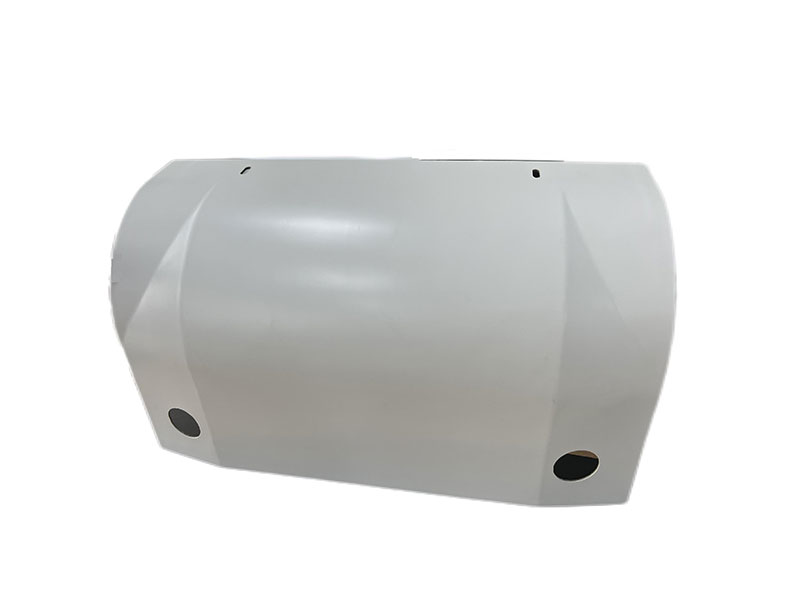
Electronics makers want devices that look modern and feel solid. The shell must protect circuit boards, batteries, and sensors. Designers often pick an asa abs composite sheet for this job. It bends into soft curves and keeps crisp edges without losing strength. Thermoforming can make rounded corners, tapered profiles, and flowing contours. A smart speaker can have a seamless shell, and a router can fit in a slim, wall-mounted case. The co-extruded ASA ABS sheet also accepts textures and custom colors. The ABS core gives thin walls their stiffness, while the ASA cap delivers a clean, glossy surface that resists fingerprints.
Fabricators vacuum form the sheet into complex shapes. They press it into mold cavities that match the device's design. The material holds tight tolerances, so panels line up neatly during assembly. Cut edges stay clean and free of burrs. Designers can add living hinges or snap-fit features, and the sheet can bend many times without cracking. This durability makes products last longer and reduces warranty returns.
Durable Protection for Connected Devices
IoT devices live in kitchens, garages, factories, and outdoor cabinets. They face heat, cold, moisture, and accidental drops. The ASA/ABS sheet protects electronics with real strength. Its notched impact strength is 15–30 kJ/m², and its tensile strength is 40–50 MPa. Enclosures resist cracking when a device falls off a shelf. The material also survives temperature swings; it keeps most of its impact strength down to -30°C. Smart meters in cold climates stay intact through winter nights. UV resistance beyond 1,500 hours stops yellowing and chalking, so outdoor cameras and gate controllers keep their color after years in the sun.
Manufacturers need a material that fits common production lines. The ASA/ABS sheet works with injection molding and thermoforming. Melt temperatures around 220–260°C suit standard equipment. This compatibility gives factories many ways to form complex enclosures. They can mold the sheet into a sealed housing or vacuum form a two-piece shell. The result is protection that does not force designers to compromise on appearance.
Retail and Hospitality Displays
Eye-Catching Fixtures and Exhibition Booths
Retail stores and exhibition halls need displays that grab people's attention. The ASA/ABS sheet makes bold shapes with a shiny surface. Manufacturers heat and shape it around smooth molds. This step gives the panel a mirror-like finish. Shiny surfaces make shelves and booth walls look high-end.
The material also takes bright graphics well. Screen printing, pad printing, and digital UV printing all work on it. Corona-treated sheets help ink stick better. CNC cutting and die-cutting make clean edges for exact parts. Thermoforming creates curved kiosks and sculptural booth pieces. High dimensional stability keeps panels lined up and joints tight.
Fabricators can pick gloss or texture. Polished surfaces catch the eye. Matte faces hide small forming flaws. An asa abs composite sheet gives design freedom for brand identity.
The spray-free finish adds real value. The sheet keeps its final color without paint. That removes VOC emissions from making it. It also cuts finishing costs and production time. XHJ offers custom color matching, so fixtures match brand colors.
Thematic Decor That Withstands Contact
Hotels and restaurants use themed decor to create experiences. The ASA ABS sheet forms decorative panels, room dividers, and display props. Curved canopies and sculpted letters keep their exact shape after forming. The material handles complex shapes without losing strength.
Hospitality spaces get heavy contact. Guests brush panels, carts bump walls, and staff move displays often. The sheet's impact strength takes these hits. The ABS base resists dents. The ASA top layer keeps colors stable under bright spotlights.
Cleanliness matters in these places. Smooth surfaces wipe down easily. Shiny panels resist stains and scuffs. Matte textures hide fingerprints. This durability cuts replacement costs for venue owners.
Fabricators pick UV-resistant grades for exhibition areas with strong lighting. The co-extruded ASA ABS sheet keeps color and strength through setup and teardown cycles. Dimensional stability keeps panels square over time. Modular booths travel between cities without warping.
Designers get a blank canvas for theming. The sheet takes laminates, printed graphics, and custom textures. It shapes into playful forms without losing stiffness. Retail and hospitality spaces become memorable destinations.
Sustainable Reuse of ASA ABS Composite Sheet
Low-Maintenance Design That Cuts Replacement Waste
Designers look for materials that last for years without needing constant fixing. The ASA ABS composite sheet fills this need with a surface that fights scratches, moisture, and UV damage. Building owners do not have to repaint faded panels or swap out cracked parts every few seasons. This lasting quality cuts replacement waste and lowers costs over time. A facade panel or bench slat made from this material can serve for ten years or more. When a product lasts longer, fewer resources go into making new ones. That simple math helps both budgets and the environment.
The material also stays free of harmful substances. Manufacturers make the co-extruded ASA ABS sheet without halogens or heavy metals. It meets EU RoHS and REACH standards. These rules limit dangerous chemicals in electronics and consumer goods. Specifiers who need safe materials for schools, hospitals, or public spaces can trust this sheet. It will not leak toxic compounds into soil or water over time.
Long-Lasting Material for Adaptive Reuse
Adaptive reuse projects give old buildings a new purpose. Designers often need materials that match existing structures while adding modern performance. The ASA/ABS sheet works well in these settings. Its surface takes paint, laminate, or printed graphics. Fabricators cut and shape it on site to fit odd sizes. A warehouse turned into offices can gain new wall panels and shelving from this material. The sheet keeps its shape and color through years of daily use.
XHJ offers an eco-friendly spray-free solution for this sheet. The material comes in its final color, so fabricators skip the painting step. This approach cuts VOC emissions and processing costs. It also fits with green building goals. Projects that seek LEED or similar certifications gain credit for low-emitting materials. The spray-free finish supports those targets without giving up appearance or durability.
An ASA ABS composite sheet gives designers a lot of freedom. They can shape curves, choose colors, and add textures. The material then holds up in sun, rain, impacts, and heavy daily use. Wood needs constant sealing. Metal rusts and dents. Standard ABS fades and chalks. This co-extruded sheet needs less care, lasts longer, and is easy to fabricate.
Designers should think about their project's environmental and visual needs. Then they can look into custom fabrication options with Xinhejiu's ASA/ABS SHEET. The team offers color matching, free samples, and technical support for each build.
FAQ
What makes an ASA/ABS sheet different from standard ABS?
Standard ABS has butadiene rubber, and UV light breaks it down. An ASA/ABS sheet uses acrylic rubber instead. That stops yellowing and chalking. This co-extruded ASA ABS sheet keeps its color and impact strength much longer outside. It also has a glossier, harder surface.
How long does the material last outdoors?
The ASA top layer gives at least 1500 hours of UV resistance. After five years outside, the sheet keeps over 80% of its color and impact strength. Its outdoor life is more than ten times longer than standard ABS. It also stays strong at temperatures as low as -30°C.
Which processing methods work with this sheet?
Workers can shape the ASA ABS composite sheet with thermoforming, vacuum forming, injection molding, extrusion, or blow molding. The advised melt temperature is 220–260°C. Drying the resin at 80°C for four hours prepares it. These methods let designers make curved facades, car trim, and complex enclosures.
Is the material safe for sensitive environments?
Yes. The sheet has no halogens or heavy metals. It meets EU RoHS and REACH standards. XHJ also gives a spray-free finish that lowers VOC emissions and processing costs. These features work well for schools, hospitals, and other spaces that need low-emission materials.
Can buyers request custom colors and samples?
XHJ offers exact custom color matching and free sample books for early design support. The company supports its ASA/ABS sheet with an IATF 16949 and ISO 9001 certified factory, an in-house R&D lab, and technical help after production. Buyers can ask for third-party test reports with their order.