



ABS Plastic Board vs Acrylic in Modern Fabrication Projects
 Aug 07, 2026|
 View:128
Reworded paragraph content: You should always choose ABS plastic board for tough, strong, or low-cost projects that do not need to be clear. On the other hand, you can pick acrylic sheets for clear, sun-exposed, or shiny visual designs. Learning the main differences between these two building materials helps you get the most out of your project budget.
ABS, short for acrylonitrile butadiene styrene, is a very tough plastic material. It offers great strength against bumps, strong fire resistance, and easy shaping for protective covers. Meanwhile, acrylic provides excellent see-through clarity and scratch protection for display cases. These material features strongly affect your overall costs during project planning. Deciding between ABS and acrylic depends fully on your exact real-world needs.
Key Takeaways
Pick ABS plastic boards if you need strong materials that handle hard hits well and cost less money.
Pick acrylic sheets when you need excellent light flow, see-through panels, and strong protection against surface scratches.
Pick acrylic panels for long outdoor use because this material easily handles strong sunlight and bad weather.
You can easily shape ABS plastic using CNC machines or basic heating methods to create deep molded forms.
Buy special fire-resistant ABS or mixed material boards from reliable makers to create safe electrical covers.
Acrylic vs ABS: Property Comparison
Check crucial material qualities before picking physical sheets for any project. Looking at acrylic vs abs lets you pick ideal options for structural goals. Each option provides clear perks inside modern manufacturing plants. Look at basic differences in physical behavior through standardized technical tests. Such performance measures direct technical decisions across modern industrial fabrication projects. Checking these physical traits allows you to balance strength and looks smoothly.
Property | Standard Acrylic | Standard ABS Board |
|---|---|---|
Light Transmission | 92–93% | Opaque |
Izod Impact Strength | 0.4–2 ft·lb/in | 5–8 ft·lb/in |
Flexural Modulus | 430,000–480,000 psi | ~300,000 psi |
Density | 1.18–1.20 g/cm³ | 1.03–1.05 g/cm³ |
Surface Hardness | Rockwell M 85–100 | Rockwell R 90–105 |
Optical Clarity and Light Transmission
Clear visual project plans call for maximum light transmission. High optical clarity creates simple, direct viewing across display panels. Acrylic sheets supply unbeatable optical clarity during demanding visual uses. Clean acrylic sends up to 92–93% of normal light through the board. That light transmission matches standard glass while lowering total part weight immensely. So, acrylic sheets offer top brightness and clear views for building windows or display boxes. You gain fantastic visual beauty with steady image sharpness across big display panels.
Standard abs, called acrylonitrile butadiene styrene in chemistry, is a non-transparent polymer. An abs sheet stops light totally under typical shop conditions. Nobody uses standard non-transparent grades to build clear windows or sight lenses. Still, abs takes direct face printing, special coatings, and mixed dye colors with ease. Makers like the board for solid safety covers that hide inside electrical parts. This material gives neat visual style using smooth surface feels, gloss controls, and exact custom color choices.
Izod Impact Strength and Structural Toughness
Physical strength shows how well a plastic takes heavy forces during regular work. Always check impact resistance if your parts suffer rough everyday use and random bump dangers. Standard abs delivers great impact resistance against rapid physical blows. The plastic holds synthetic butadiene rubber pieces spread across a stiff base structure. Those small rubber pieces press down during hits to soak up sudden shock energy quickly. This rubber-fortified build grants abs impressive physical strength against sudden knocks. Flexible strain response helps abs items survive accidental drops during building steps. As a result, abs bends under harsh forces rather than breaking apart.
The butadiene rubber inside acrylonitrile butadiene styrene absorbs sudden forces, so the plastic bends instead of cracking.
Unlike abs, stiff acrylic shows higher flexural modulus alongside reduced total impact resistance. Acrylic offers high firmness and stops surface scratches well from everyday rubbing. Still, weak impact strength leaves plain acrylic open to sudden crumbling breaks from sharp hits. Hard drops force acrylic to break apart into pointy pieces. Choose abs to build heavy safety gear cases, tool guards, or car cabin panels. An abs panel gives way slightly under harsh physical pressure, holding solid form and shielding delicate inner parts safely. Picking correct plastics stops early part failure and promises long useful lives for finished items.
Machining and Forming ABS Plastic Board
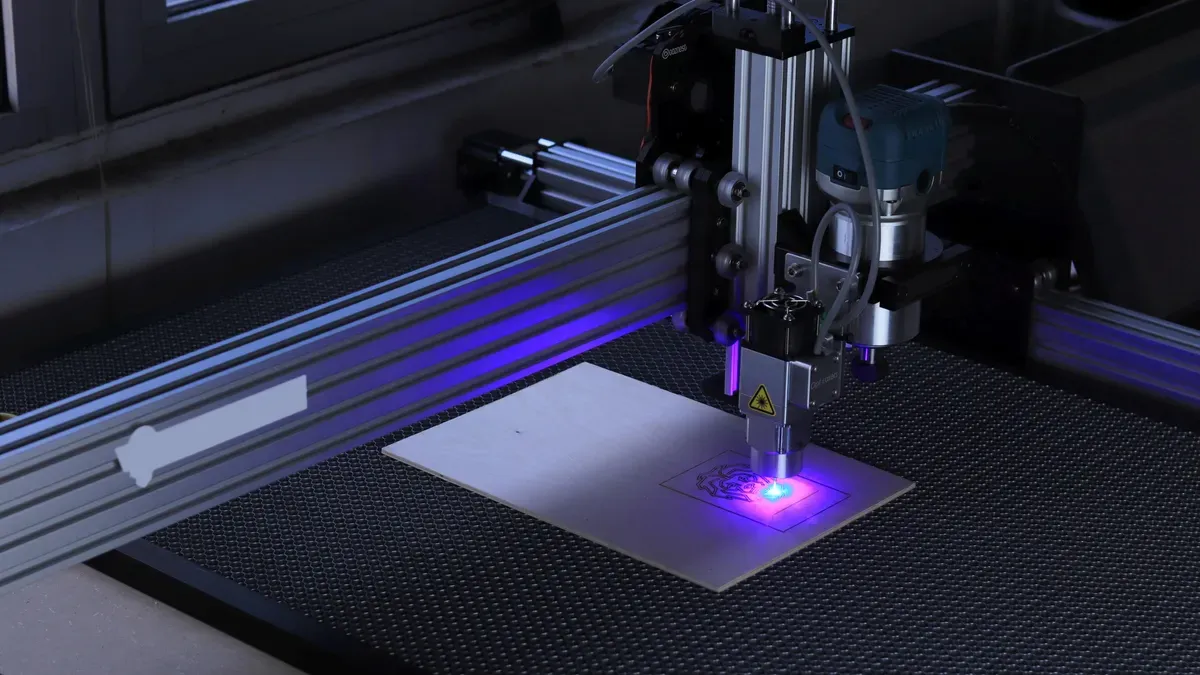
Workplace shops often prefer an abs plastic board because it is very easy to handle during daily jobs. This flexible polymer handles fast tool speeds smoothly without melting down or chipping apart. You can easily turn self-tapping screws directly into this strong material without cracking the flat face.
Material | Ease of Forming | Behavior in Deep-Draw Thermoforming | Key Risk/Defect Rate |
|---|---|---|---|
Acrylic | Easy to form, no drying required | Easy to crack during deep drawing and demolding | High risk of cracking |
ABS | Easy forming | Low defective rate | Poor high-temperature resistance, low surface grade |
CNC Routing and Thermoforming Parameters
CNC routing needs exact tool settings to boost daily factory output. You can get smooth cut lines on acrylonitrile butadiene styrene by using these simple steps:
Pick a single-flute, spiral 'O' flute plunge tool to slice clean plastic sides.
Run your CNC spindle speed right between 18,000 and 19,000 RPM.
Push your tool feed speed at 300 IPM to clear loose bits fast.
This careful setup stops hot friction heat from building up on the cut edge. Conversely, regular acrylic needs slower feed speeds and sharp cutting edges. High cutting speeds cause heat stress in acrylic boards, leading to fast surface cracks or fine lines.
You can heat-shape an abs plastic board within a wide temperature range of 150–180 °C. The material keeps its solid shape during deep mold forming, which leads to fewer ruined parts. Deep molds cause plain acrylic sheets to split easily while removing the cold mold. This easy processing gives abs great usefulness across tricky shape ideas.
Solvent Welding and Adhesive Bonding
Connecting plastic boards means matching the right glues with specific material traits. Acrylonitrile butadiene styrene takes fast solvent welds using common shop fluids like acetone or MEK. You can pick from these dependable gluing options:
Cyanoacrylates
Two-part epoxies
Structural acrylics
UV curable adhesives
Polyurethanes
MS polymers
ABS welds ultrasonically and with solvent cementing.
Harsh liquid solvents can cause heavy inner stress inside plain acrylic sheets. Using methylene chloride cements usually causes tiny stress cracks along glued acrylic seams. Meanwhile, abs supports quick chemical joining without any trouble. High physical toughness and easy surface changes make abs a great pick for complex builds. Factory teams trust this material for its handy versatility and proven impact strength.
Environmental, Heat, and Flame Resistance
You must check outdoor conditions before placing plastic sheets in rough work spaces. Natural weather patterns and high heat change how these materials work over time.
Outdoor UV Stability and Weathering
Bright sunlight damages various thermoplastics in different ways during long outdoor use. Acrylic provides top natural uv stability alongside great weather resistance. This sturdy material keeps its high optical clarity and bright gloss for years in sunny spots. Rain, heavy wind, and intense sunlight will not damage plain acrylic panels quickly.
Bare abs offers poor resistance against natural outdoor weathering. Harsh sunlight destroys double chemical bonds within the butadiene part of acrylonitrile butadiene styrene. This chemical reaction creates noticeable color shifts, ugly yellowing, and rough surface chalking after a while. The plastic turns stiff, drops flexibility, and grows weak under steady solar rays. You can review outdoor weathering outcomes across popular extruded plastics through simple test results:
Property | Standard ABS | ASA Reference Grade |
|---|---|---|
UV Resistance | Poor (requires additives or painting) | Excellent (inherent stability) |
Weather Resistance | Moderate | High (withstands sun, rain, wind) |
Color Stability | Fades or yellows outdoors | Maintains gloss and color |
Heat Deflection and UL94 Flame Ratings
Safe heat limits control proper working conditions inside high-temperature settings. You need flame-resistant plastics to protect delicate power units, control boxes, and industrial gear. Special flame retardants prevent fast fire spread across public transport networks and busy commercial sites. Standard UL94 trials gauge total burn times and melting drips through precise rules:
Requirement | Description |
|---|---|
Burning Time | Must stop within 10 seconds after the second flame application on a vertical specimen. |
Dripping | Drops of plastic are allowed, provided they are not inflamed. |
Test Method | A 20mm flame is applied twice for ten seconds each. The second application occurs once the sample extinguishes or immediately if it never ignites. |
Custom acrylic sheet choices can earn high fire safety marks. Select fire-rated acrylic types hit V-0 and 5V levels using halogen-free flame retardants. These panels halt flame spread within 10 seconds without dropping burning sparks on close items. At the same time, modified abs types add flame-retardant blends to boost mechanical strength and safety inside core electronics cases.
Key Applications for Acrylic Sheets and ABS
Industrial Housings and Automotive Trims
You can rely on acrylonitrile butadiene styrene for tough car parts and heavy machine covers. Car makers use abs sheets for dashboards, door panels, and wheel covers. This acrylonitrile butadiene styrene plastic handles rough stress easily. Its light weight lowers total vehicle mass by up to 10%. So, you boost fuel efficiency without losing any physical strength. Great chemical resistance protects safety covers against harsh fluids and oils.
ABS holds its shape well under high heat, which happens often inside warm vehicle parts.
This strong plastic stays safe in heat up to 180°F inside battery covers. You can paint and texture abs sheets for stylish console looks. Plant prototypes, custom tools, and guard covers rely on this strong impact resistance.
Architectural Glazing and Display Fixtures
Building glass projects use acrylic sheets to replace heavy glass panels. You should pick acrylic sheets whenever your visual plan needs bright light transmission. High-grade acrylic gives supreme optical clarity by passing up to 92% of light. Store builders choose acrylic for glowing signs and clear display cases. The material offers clean views without any green tint. You can polish small surface scratches away fast to keep clear views long-term.
Application Category | Specific Applications | Key Performance Requirements Driving Choice Over ABS |
|---|---|---|
Architectural Glazing | Windows, skylights, transparent partitions | High light transmission, superior weather and UV resistance |
Visual Displays | Signage, advertising panels, display cases | Vibrant graphic presentation, non-yellowing durability |
You gain great design freedom while making outdoor building parts or indoor decorative panels. Weather-ready acrylic sheets resist bright sunlight without turning yellow. You can engrave clear sheets easily to improve overall visual looks. Designers like this handy choice when making custom furniture, fish tanks, and guard walls.
Sourcing ABS Plastic Board from Xinhejiu
Advanced Extrusion and Custom Capabilities
You can buy an abs plastic board straight from Chang Zhou Xinhejiu Composite Materials Technology Co., LTD. This top factory runs 4 modern production lines using imported Italian gear. The plant creates up to 10,000 tons of material every year. This output guarantees steady supplies and strict quality checks for your big orders.
Xinhejiu offers many custom choices to fit your exact project plans. You can order abs sheets with precise thickness steps from 0.5 to 8 mm. The factory makes continuous sheet widths all the way up to 2000 mm. Also, you can pick custom surface bumps, flat matte finishes, or smooth faces right during manufacturing.
This factory provides exact color matching for all your commercial builds. You simply share exact Pantone or RAL color codes for your order. This direct color process creates bright, long-lasting shades without any extra spray painting later. That way, you simplify build steps, reduce hand labor, and cut overall part expenses smoothly.
Flame-Retardant and Composite Solutions
Xinhejiu creates advanced plastic options that meet tough official safety rules. You can order UL94 V0 flame-retardant acrylonitrile butadiene styrene to build safe electrical covers. The maker also produces sun-ready ASA/ABS sheets, tough PC/ABS mixes, and clean medical panels. This wide product range helps you create durable parts for buses, fast trains, and hospital tools.
You can pick PMMA/ABS composite sheets to add high-end shiny faces to your products. These layered co-extruded abs sheets combine strong physical toughness with a smooth glossy outer skin.
Multi-layer co-extruded PMMA/ABS sheets provide mirror-like surface luster and high impact resistance without extra spray painting.
The strong top layer stops water damage, dirty stains, and harsh chemical wear. You get clean looks and lasting strength for cabinet doors, decorative panels, and bathroom fixtures. Working with Xinhejiu brings you custom technical answers backed by solid lab research.
You pick ABS for tough hits, blocked light, and cheaper parts, but acrylic wins at letting light through and standing up to bad weather.
You should pick materials based on what your project needs. You choose an abs plastic board when you want high impact strength, no see-through light, and lower part prices for safe covers. On the other hand, you use acrylic sheets for bright designs that need high light transmission, scratch protection, and outdoor weather resistance.
Chang Zhou Xinhejiu Composite Materials Technology Co., LTD acts as a great supply source for strong plastic sheets. They make high-quality abs sheets plus custom acrylic sheets to match your exact project needs. Their smart factory capabilities provide reliable custom options for every single build.
FAQ
Can you use an ABS plastic board for a clear window?
No, standard ABS will not work for clear windows since the plastic blocks light. You ought to pick acrylic sheets for see-through panels. Regular acrylic lets up to 92% to 93% of light pass through, offering glass-like clarity.
Which material costs less for lightweight machine enclosures?
You save money when choosing acrylonitrile butadiene styrene boards for covers. An ABS sheet costs roughly 15% to 30% less per pound than cast acrylic. Also, this material shapes faster, which cuts your overall build costs greatly.
How do ABS boards perform during deep-draw thermoforming?
You can heat-shape ABS boards easily at heat levels between 160°C and 180°C. The material stretches evenly into deep molds without breaking as it cools, giving you steady results and fewer ruined items during long runs.
Can you get flame-retardant ABS sheets for electrical applications?
Yes, you can buy fire-resistant ABS sheets that reach a UL94 V-0 safety level. These custom sheets extinguish flames fast, making them great choices for safe power cases and factory control boxes.