


Double Color ABS vs Acrylic for Laser Engraving
 Sep 15, 2026|
 View:4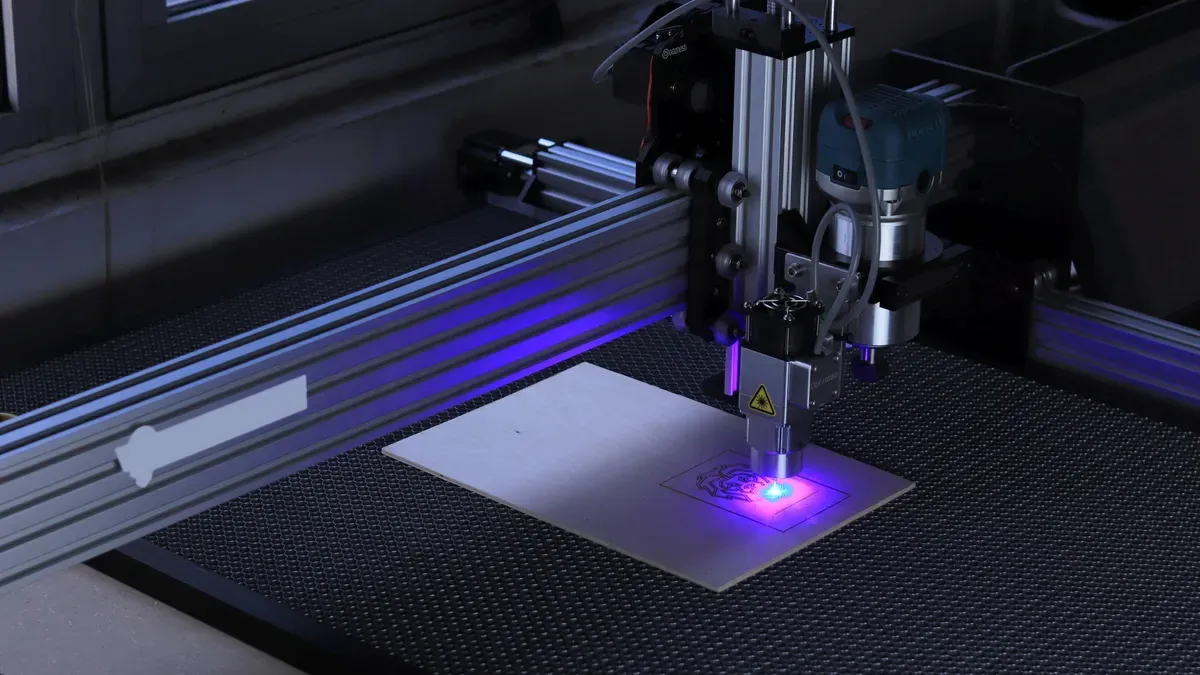
When you pick a material for laser engraving, two top choices are an ABS double color sheet and acrylic. An ABS double color sheet gives you strong impact resistance and bright color layers. Acrylic offers better clarity and UV stability. This comparison helps you decide based on engraving performance, durability, cost, and application fit. You will look at five key sections: material properties, engraving performance, longevity, cost, and recommended applications. Each section gives practical guidance for your specific project needs.
Key Takeaways
ABS double color sheets are great for indoor projects because they engrave quickly and stand up to impact.
Acrylic resists damage from sunlight and makes clear white marks, so it's great for outdoor signs and displays.
Both materials make clear, high-contrast engravings when you use the right laser settings.
ABS is cheaper and works great for control panels and custom items.
Acrylic holds up well against weather and gets scratched less. This makes it great for outdoor use that lasts a long time.
Material Properties and Structure
Xinhejiu ABS Double Color Sheet Construction
Xinhejiu's ABS double color sheet uses a co-extruded layered design. A thin top layer sticks firmly to a different-colored core layer. You may also hear it called a dual-color ABS sheet, two-color ABS sheet, or laserable ABS sheet. The sheet comes in thicknesses from 0.5 mm to 8 mm. You can choose surface finishes like high gloss, matte, or embossed textures. You can also ask for custom colors that match Pantone or RAL standards. These features give you bright, high-contrast marks after laser engraving.
The material is tough and keeps its shape well. The top layer resists scratches and wear. The core layer stays stable under stress. This layered design makes the sheet great for high-contrast laser engraving. Each color layer stays separate, so your engraved design shows clearly.
Acrylic Sheet Structure
Acrylic is a clear plastic that is the same all the way through. It has no layers unless you pick a two-ply or three-ply product. Cast acrylic is made by slow cell casting. This creates long polymer chains that are heavily cross-linked. The process gives the material a stress-free structure with high molecular weight. Top-quality clear cast acrylic lets 92% of visible light through. That clarity is as good as optical glass.
This structure affects how the material reacts to a laser. Cast acrylic vaporizes cleanly and gives a bright, frosted white mark with high contrast. Extruded acrylic acts differently. It melts and stays clear, so it creates little or no visual contrast. The transparency of acrylic also changes how you see the engraved mark. A clear sheet shows a white mark against a see-through background. A colored sheet shows the mark against that color. Double-color acrylic sheets combine two layers for contrast, but the base material is still a single, even plastic. Cast acrylic is also more impact-resistant than extruded acrylic because its molecules are packed tighter.
Laser Engraving Performance
Color Laser Engraving Contrast
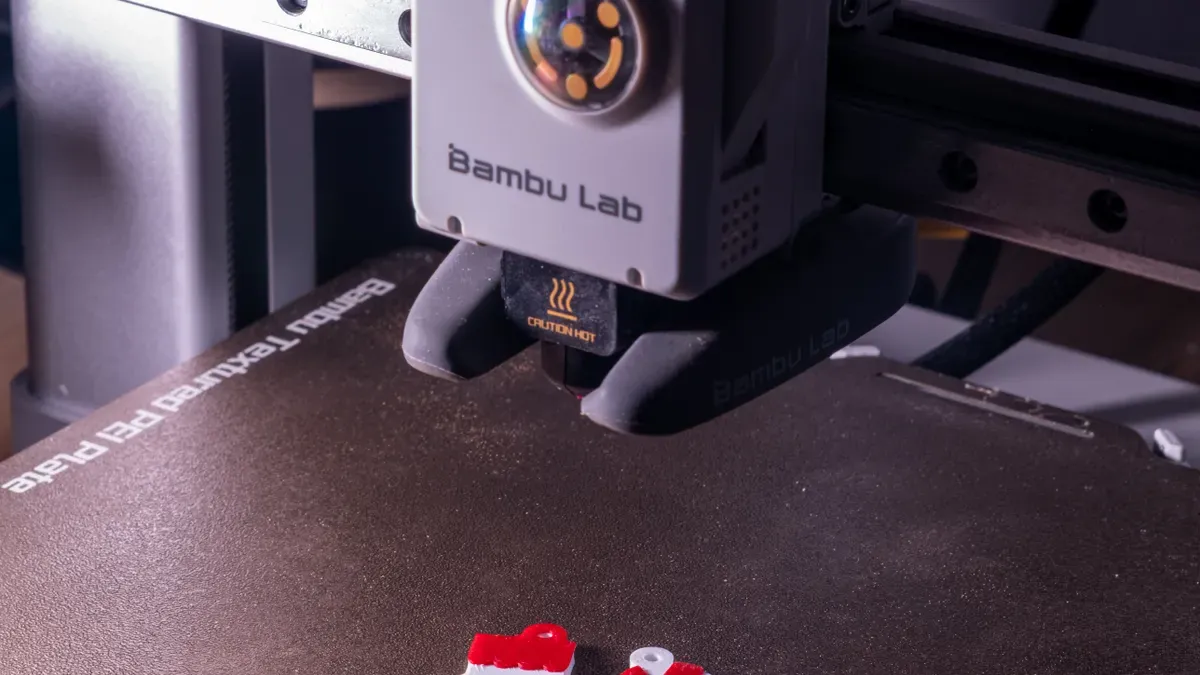
Both materials give you strong contrast when your machine is set up right. The difference is in how each one reacts. When a laser beam hits an ABS double color sheet, it takes off the top layer and shows the core color below. This process, called ablation, leaves a slightly textured surface. That texture scatters light and makes the exposed color stand out. You see a clean, high-contrast mark with a soft matte feel. Many people call this sheet a dual-color ABS sheet, a two-tone ABS sheet, or a laserable ABS sheet. All these names describe the same layered build.
Acrylic acts in a different way under the beam. A CO2 laser vaporizes the surface and leaves a crisp white or frosted mark. On clear acrylic, that white mark stands out against a see-through background. On colored acrylic, the mark contrasts with the base color. A double-color acrylic sheet uses two bonded layers for contrast, but the base material stays uniform. Some double-color sheets combine an acrylic top layer with an ABS core. This design gives you the clarity of acrylic plus the impact resistance of ABS. For color laser engraving, both options deliver excellent results. Your choice depends on the look you want. A soft, textured mark suits industrial panels. A bright, frosted mark suits display pieces. Direct color laser marking and color laser marking on these materials produce stable color marking when your power and speed settings match the material. You can also explore UV laser engraving plastic for finer detail work. The color effects on layered acrylic differ from those on ABS, so test a sample before you commit.
Engraving Speed and Fume Safety
ABS is softer than acrylic. Your laser cuts through it faster at the same power setting. This speed advantage saves time on large production runs. Acrylic takes more time because the beam must vaporize a harder material. A CO2 laser excels on acrylic due to native absorption. The material absorbs the beam wavelength efficiently, which gives you clean edges.
Fume safety separates these two materials sharply. ABS produces toxic hydrogen cyanide fumes during laser engraving. You need strong ventilation and proper filtration. Acrylic fumes are less hazardous, though you should still vent them. Never engrave ABS in a closed space without an exhaust system.
Factor | ABS Double Color Sheet | Acrylic |
|---|---|---|
Engraving speed | Faster (softer material) | Slower (harder material) |
Fume hazard | High (toxic fumes) | Lower |
Laser type fit | CO2 and UV | CO2 (native absorption) |
Mark appearance | Core color, slight texture | White or frosted |
The table above summarizes the key performance differences. Your workshop setup matters here. If you lack strong ventilation, acrylic is the safer choice. If you have a proper exhaust system, ABS gives you faster throughput. Both materials reward careful testing. Run a small sample first to dial in your power, speed, and frequency. This step protects your quality and your health.
Durability and Longevity
Impact and Weather Resistance
You want your engraved parts to last a long time. Both new acrylic and ABS are common plastics made to be very durable. They usually last for decades in many places. So, laser engraved items from either material have about the same long life.
Xinhejiu's ABS double color sheet is great at resisting impacts. The co-extruded build soaks up shocks that would break other plastics. Your engraved panels can handle drops, hits, and shaking. This makes the sheet perfect for control panels and device cases. The material also does well in mild weather. Xinhejiu adds UV stabilizers to improve outdoor use. Your parts do not fade or warp in sunlight.
Acrylic has better UV resistance and stays clear outdoors. It keeps its original look after many years in the sun. This makes acrylic the best choice for outdoor signs and displays. But acrylic is harder and scratches more easily than ABS. A sharp object can leave visible scratches on its surface. ABS resists scratches better in everyday use. Remember that ABS can get soft at high temperatures. Do not put ABS parts near heat sources.
UV and Scratch Resistance
The material you pick changes how long engraved marks last. A laser mark on acrylic stays bright and clear outdoors. The frosted white mark does not turn yellow from UV light. A laser mark on ABS also lasts well indoors. The exposed core color makes a stable color mark that lasts. You can make a dark mark on light sheets or a light mark on dark sheets. Both give clear contrast for many years.
For fine detail work, UV laser engraving plastic gives exact results. This method makes sharp marks on the top layer without hurting the core. The color contrast stays clear even with daily use. Acrylic scratches more easily, so handle it carefully. ABS can take more wear without showing damage. Both materials keep their engraved quality for decades. Your working environment decides which one is better. Indoor use favors ABS for toughness. Outdoor use favors acrylic for UV stability.
Cost, Availability, and Workflow
Material Cost Comparison
An ABS double color sheet, also called a dual-color ABS sheet, two-tone ABS sheet, or laserable ABS sheet, often costs less per square foot than cast acrylic. The co-extruded build uses a thin top layer over a core layer. This design saves money on raw material. Acrylic costs more because making it takes more energy and time. Cast acrylic needs slow cell casting to build long polymer chains. That process drives up the price. You also pay more for acrylic sheets in large thicknesses. An ABS double color sheet gives you a budget-friendly option for indoor projects. The material works well for color laser engraving and color laser marking on control panels and device housings.
Availability matters too. Many suppliers stock ABS sheets in common thicknesses from 0.5 mm to 8 mm. You can order custom colors that match Pantone or RAL standards. Acrylic is also easy to find, but specialty colors and thick sheets may take longer to ship. For quick turnaround on indoor parts, ABS often wins. For outdoor clarity, acrylic remains the standard choice.
Processing and Post-Processing
Your workflow changes with each material. ABS is softer, so your laser engraves faster. Acrylic takes more time because the beam must vaporize a harder surface. After laser ablation, you need to clean and finish your parts. The steps below apply to both materials, with key differences.
For ABS: Do not use alcohol on hot surfaces after laser engraving. Leftover heat can cause chemical reactions. These reactions lead to brittleness, deformation, haze, cracking, or surface damage.
For acrylic: Use special cleaners or compatible petroleum-based solvents instead of alcohol. Always wear protective gear and work in a well-ventilated area. Avoid toxic solvents like hexane.
Cleaning: Remove soot, dust, and residue using air-blasting, wipes, or ultrasonic cleaning.
Edge polishing: Smooth rough edges with flame polishing or other methods for a clean finish.
Deburring: Remove sharp edges and burrs by hand or with special tools.
Heat treatment: Relieve internal stresses, especially for acrylic, to prevent warping or cracking.
Surface coating or painting: Apply protective layers for color, durability, or UV resistance.
UV coating: Protect against sunlight-induced yellowing or degradation for outdoor use.
You can add post-engraving color fill to boost contrast. Color fill materials work well on engraved marks. This step helps your marking stand out. Always run quality checks after processing. Check your layer depth and color consistency. If you wonder how to choose a color laser engraving machine, test your material first. A small sample reveals the best power and speed settings. Good quality control saves time and money.
Recommended Applications
Acrylic for Outdoor and Display Uses
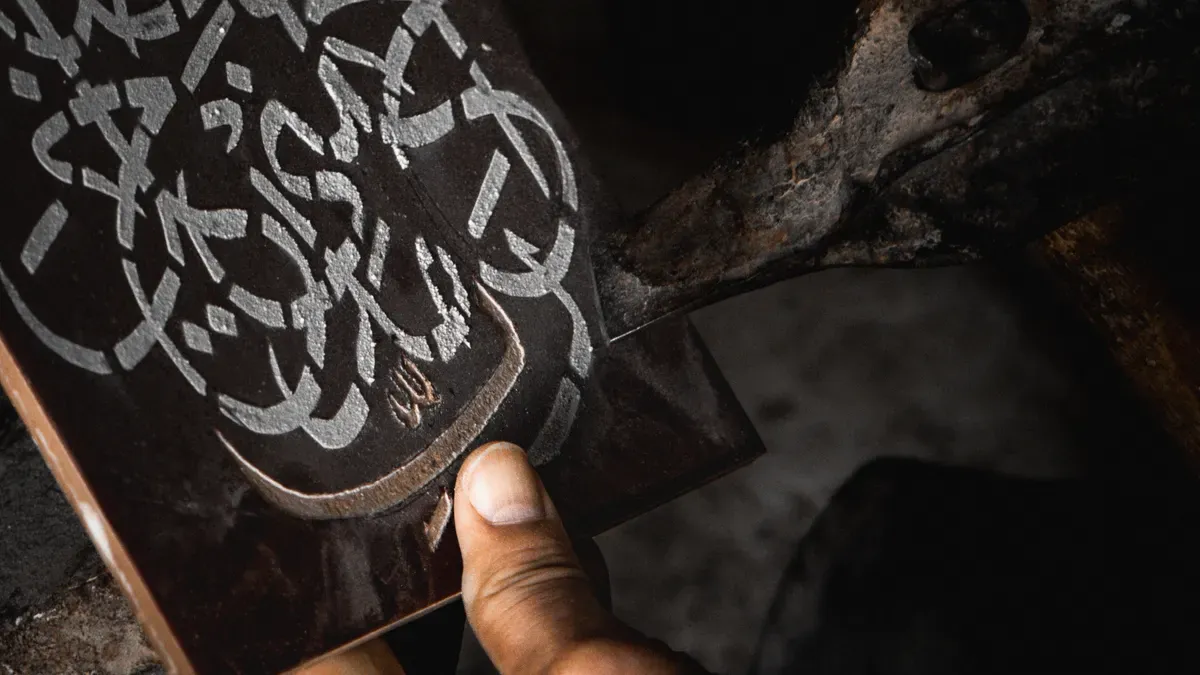
Acrylic works great outdoors. It stays clear and resists UV light, so it is a top pick for sign faces, lightboxes, channel letters, printed panels, and store display signs. For lighted signs, choose white, opal, or see-through acrylic. Always test the sheet with your real LED setup to make sure the light spreads evenly.
For outdoor signs, check UV resistance and outdoor use rules to stop yellowing or color change.
The facts support this. Light passing through stays at or above 85% after 5000 hours of UV aging. The yellowing index stays under ΔE<3. Impact resistance reaches at least 15 kJ/m². Surface treatment boosts printing adhesion by 40%. Laser engraving also works on this material.
Property | Measured Performance | Relevance to Outdoor Signage |
|---|---|---|
Light transmittance retention | ≥85% after 5000 hours of UV aging | Maintains clarity outdoors |
Yellowing index | ΔE<3 | Resists UV discoloration |
Impact resistance | ≥15 kJ/m² | Withstands physical stress |
Printing adhesion improvement | 40% increase after surface treatment | Supports UV inkjet and screen printing |
Laser etching on cast acrylic causes surface foaming. The beam heats the material just enough to form tiny bubbles. These bubbles scatter light and create a crisp white mark. That mark is part of the acrylic itself. Nothing peels, fades, or washes off. UV exposure that ruins vinyl decals barely affects a proper etch. Cast acrylic also beats extruded acrylic on weathering and clarity.
You can use this material for many display projects:
Custom signage: storefront signs, lobby signs, directional signs, wedding signs, event displays, trade show signage, company logos, layered signs, and decorative screens.
Acrylic ornaments: lightweight, good-looking, and easy to customize for holidays, weddings, events, and branded displays.
Wall art: home décor, hotels, restaurants, and commercial spaces.
Acrylic signage resists fading, weather, and physical damage better than traditional materials. It is lightweight, so installation stays easy. It looks like glass for an elegant feel. It costs less than metal or glass and works well in bulk. You can print on it and cut detailed shapes for creative designs.
ABS Double Color Sheet for Indoor and Control Panels
Indoor work favors an ABS double color sheet, also called a dual-color ABS sheet, two-tone ABS sheet, or laserable ABS sheet. The layered build shows a bright core color under laser or CNC engraving. You do not need a second painting step. Xinhejiu designs its sheet for exactly this workflow.
Several industries depend on this material:
Auto and aerospace: dashboards, interior trim, and control interfaces.
Industrial solutions: tough control panels, machine housings, safety tags, and serial plates.
Medical equipment: instrument panels and device housings.
Product design and personalization: custom trophies, medals, gift arts, and personalized nameplates.
Electronic housings gain from the impact resistance and dimensional stability. Medical instrument panels need clean, high-contrast markings that survive frequent cleaning. Automotive dashboards use the bright layer colors for readable controls. Nameplates get sharp text without extra finishing steps.
For the best results, run quality checks on layer depth and color consistency. Add color-fill materials to boost contrast on engraved marks. These color fill materials work well on recessed text. A stable color marking keeps its look after daily wear. Test your settings first, then scale up with confidence.
Pick an ABS double color sheet, also called a dual-color or two-tone ABS sheet, when you need impact resistance, bright layered color, and indoor durability. Choose acrylic when outdoor UV stability, clarity, and sharp white contrast are most important. Both materials give great laser results. Your project setting, budget, and needed contrast guide your final choice. For indoor uses that need affordable color laser engraving, look at Xinhejiu's ABS double color sheet. This material balances performance and cost. Test your settings before you start. Think about how to pick a color laser engraving machine that fits your material. Good marking depends on the right power and speed. Whether you pick ABS or acrylic, testing samples ensures clean, lasting engraving marks every time.
FAQ
Which material gives better contrast for color laser engraving?
Both materials give strong contrast. A laser takes off the top layer of an ABS double color sheet and shows the core color. Acrylic makes a crisp white or frosted mark. Your choice depends on the look you want for your project.
Can I use a CO2 laser on both materials?
Yes, a CO2 laser works on both. The beam works very well on acrylic because it soaks up the light naturally. ABS also engraves well with a CO2 laser. Always test your power and speed settings first. Good ventilation matters for both materials during laser marking.
What are the other names for an ABS double color sheet?
You might hear it called a dual-color ABS sheet, a two-tone ABS sheet, or a laserable ABS sheet. All these names describe the same co-extruded product. Each name refers to the layered build that shows a bright core color after engraving.
How do I pick the right material for outdoor use?
Pick acrylic for outdoor projects. It resists UV light and stays clear for years. An ABS double color sheet works better indoors. Xinhejiu makes UV-resistant versions for outdoor ABS use. Your environment guides the final choice for lasting marking quality.
Do I need post-processing after laser engraving?
Not always. An ABS double color sheet needs no second painting. The laser shows the core color right away. Acrylic may need edge polishing after cutting. You can add color fill to boost contrast on engraved marks. Always run quality checks on layer depth and color consistency.


Recent News
1.The processing steps of the white pmma abs sheet
2022-10-272.What are the applications of stone lines acrylic abs sheet
2023-03-293.Choosing the Right ABS Plastic Sheet Made Easy
2026-06-034.Weighing the Pros and Cons of White ABS Plastic Sheets
2026-06-165.How to Choose the Right Flame Retardant ABS Sheet for Fire Safety
2026-06-29