



Weighing the Pros and Cons of White ABS Plastic Sheets
 Jun 16, 2026|
 View:322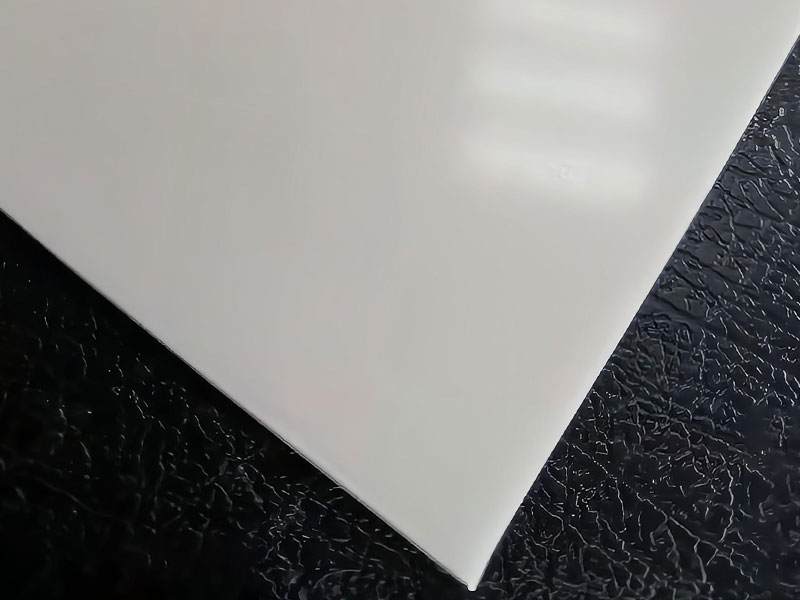
If you are picking materials for a project, you want them to be strong, look nice, and not cost too much. White ABS plastic sheet is good because it does not break easily, is cheap, and is simple to shape. It gives a smooth look and lets you change your design, but you should think about how it handles heat and sunlight. Here is a quick look:
Advantages | Disadvantages |
|---|---|
High Impact Resistance and Toughness | Limited Thermal Resistance |
Cost Efficiency | UV Sensitivity |
Manufacturing Flexibility | Recycling Challenges |
Picking the best material means thinking about where and how you will use it.
Key Takeaways
White ABS plastic sheets are very strong. They do not break easily. This makes them good for safe and tough projects.
These sheets are light and simple to work with. You can finish projects fast and save money.
The white color looks neat and nice. It makes things look better. You can use these sheets in cars and hospitals.
ABS sheets have some limits. They do not do well in sunlight. They can get damaged by heat. Think about this for outdoor or hot places.
Talk to suppliers to pick the best ABS sheets. This helps you get what you need. Take care of the sheets to make them last.
White ABS Plastic Sheet Advantages
Impact Resistance and Toughness
You want your project to last. That’s why impact resistance matters so much. When you choose abs sheets, you get a material that can handle bumps, drops, and daily wear. White abs plastic sheet stands out among impact-resistant plastics. It absorbs energy instead of cracking or shattering. This makes it a smart pick for places where safety and durability are important.
Let’s look at how abs compares to other plastics:
Plastic Type | Min Impact Resistance (j/m²) | Max Impact Resistance (j/m²) |
|---|---|---|
ABS | 200.0 | 215.0 |
HDPE | 20.0 | 220.0 |
PC | 90.0 | 200.0 |
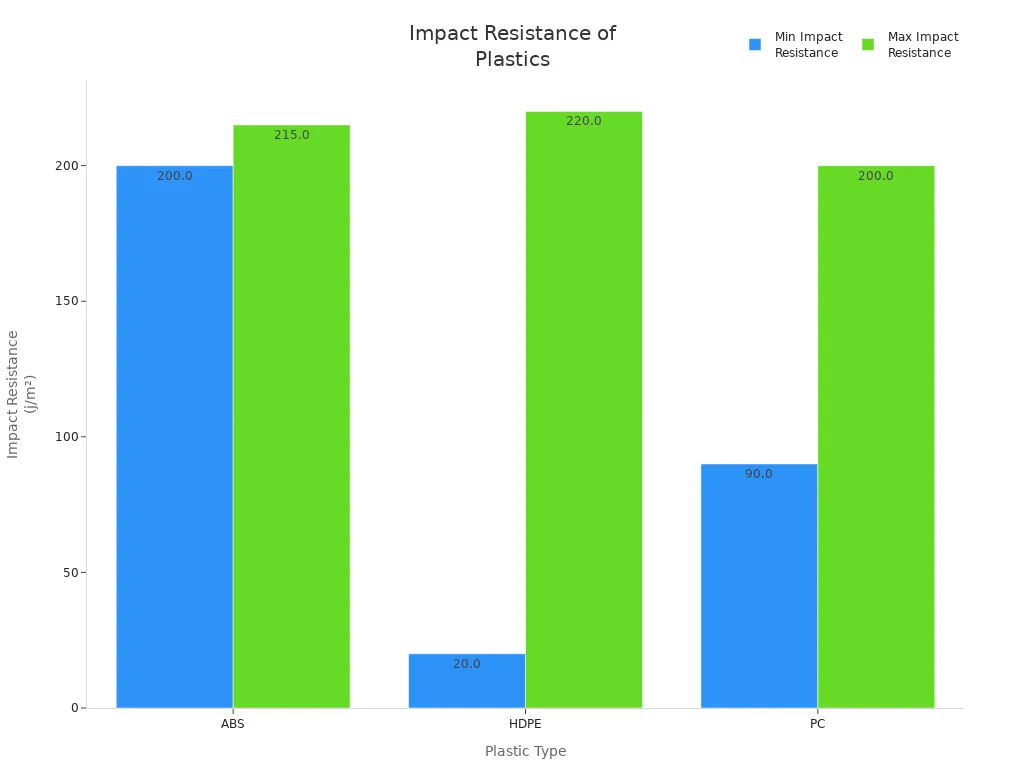
You can see that abs sheets offer reliable impact resistance, making them a favorite for housings, panels, and covers. In the automotive world, for example, dashboards and trims often use abs because it keeps its shape and strength even after a hit.
Lightweight and Easy Fabrication
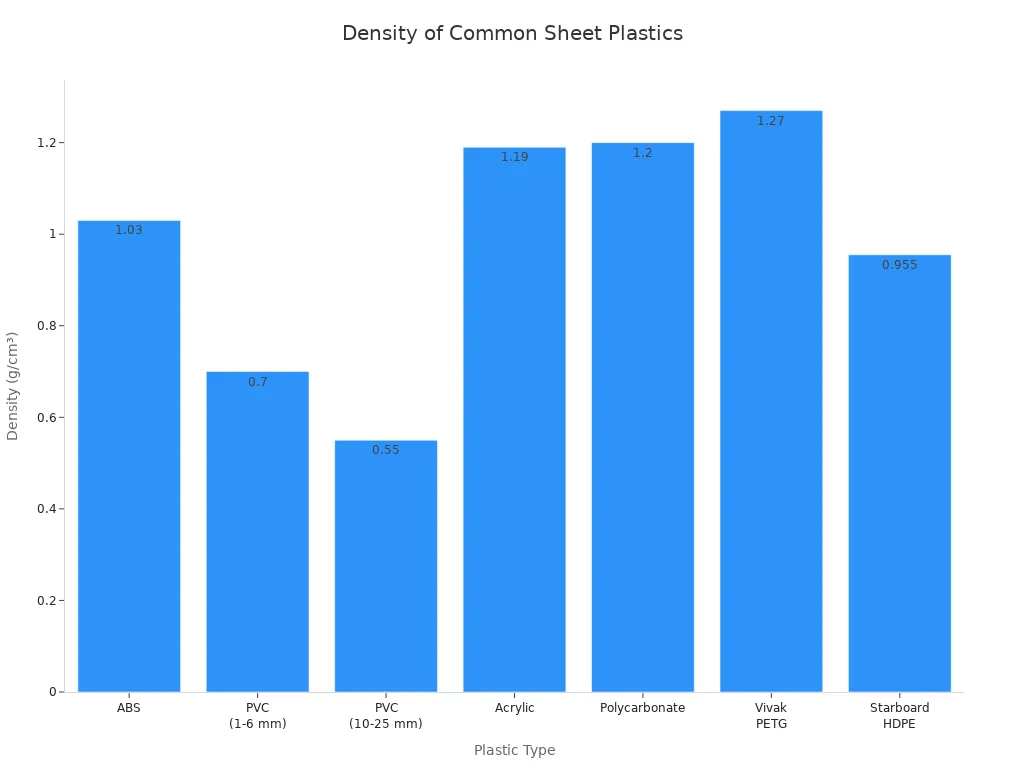
No one wants to struggle with heavy or hard-to-cut materials. Abs sheets are lightweight, so you can move and install them without much effort. The density of abs is about 1.03 grams per cubic centimeter, which means you get strength without extra weight. Compare that to acrylic or polycarbonate, and you’ll notice abs is easier to handle.
Here’s a quick look at densities:
Plastic Type | Density (g/cm³) |
|---|---|
ABS | 1.03 |
Acrylic | 1.19 |
Polycarbonate | 1.20 |
Vivak PETG | 1.27 |
Starboard HDPE | 0.955 |
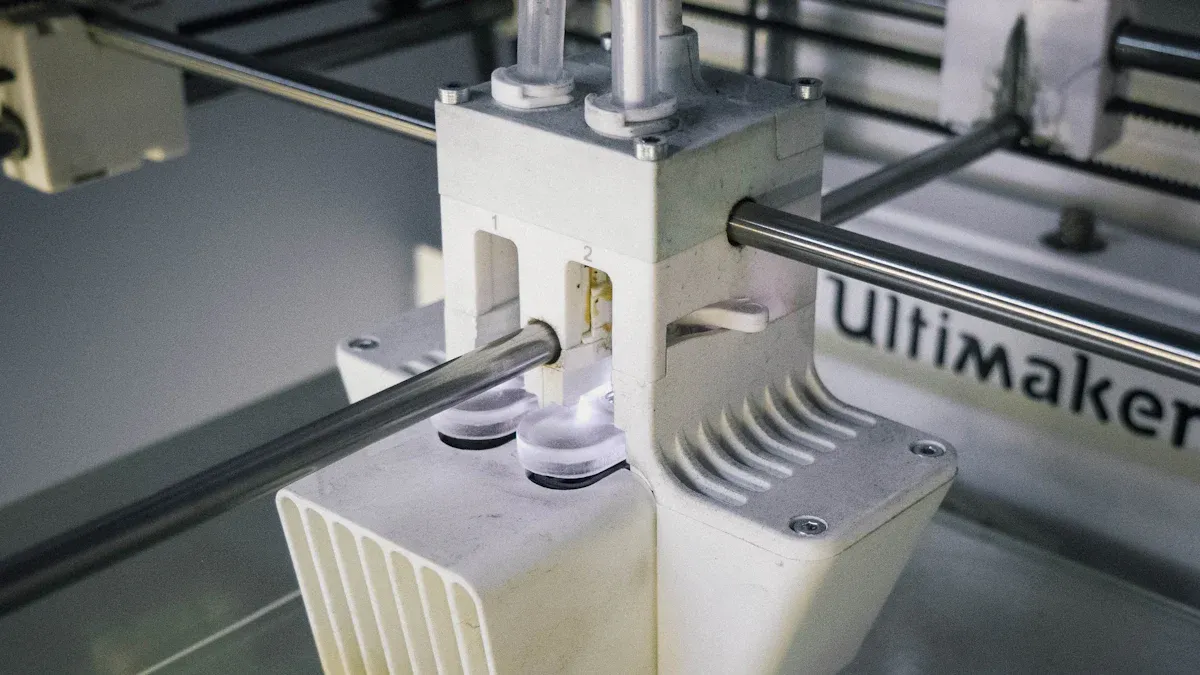
You can cut, drill, and shape abs sheets with regular shop tools. The process is simple:
Preheat the sheet.
Form it over a mold.
Cool it to keep the shape.
Trim and smooth the edges.
This easy fabrication saves you time and money. You don’t need special equipment, and you can make custom shapes for your project.
Versatile Applications
Abs sheets fit into many industries. You see them in cars, medical devices, retail displays, and even furniture. Why? Because abs offers a mix of impact resistance, chemical durability, and a clean look.
Here are some common applications:
Automotive: Dashboards, interior panels, and trims.
Medical: Device housings and trays that need to stay clean.
Retail: Signs, displays, and point-of-sale stands.
Construction: Wall panels and decorative elements.
Consumer goods: Appliance housings and toys.
In each case, abs sheets deliver the right balance of strength, safety, and style. You can trust them for both heavy-duty and everyday uses.
Clean White Finish and Aesthetics
Designers and builders love the look of white abs plastic sheet. The smooth, white surface gives a modern, clean feel. It reflects light and makes spaces look brighter. You can choose from glossy, matte, or textured finishes to match your style.
Tip: The clean finish of abs sheets hides small scratches and keeps your project looking new longer.
Manufacturers like Xinhejiu offer abs sheets in many finishes and thicknesses. This lets you pick the exact look you want. The white color also signals cleanliness, which is perfect for medical, food, and retail spaces. If you want your product to stand out, abs gives you that aesthetic appeal.
Cost-Effectiveness
You want value for your money. Abs sheets deliver. When you buy in bulk, you save even more. Many suppliers offer discounts for large orders, and shipping costs go down too.
Benefit | Description |
|---|---|
Reduced Per-Unit Cost | Bulk orders lower the cost per unit, saving you money. |
Supplier Discounts | Large orders often come with extra price breaks. |
Lower Shipping Costs | Shipping in bulk means less spent on transport per sheet. |
Abs sheets also help you save on fabrication and installation. You don’t need special tools or long setup times. That means you finish projects faster and keep costs under control.
If you need a material that balances impact resistance, easy fabrication, and a clean look, abs sheets are a smart choice. You get durability, versatility, and value in one package.
White ABS Plastic Sheet Limitations

When you work with abs sheets, you get a lot of benefits. But you also need to know where these materials might not perform as well. Let’s break down the main challenges you might face with abs in real-world projects.
UV and Weathering Issues
If you plan to use abs sheets outdoors, you need to think about sunlight. UV rays from the sun can change how your plastic looks and feels. Over time, you might notice the white color fading or turning yellow. The surface can start to crack or feel rough. This happens because UV light breaks down the surface of the plastic, making it weaker and less flexible.
Here’s what you might see after long sun exposure:
Yellowing or fading of the white surface
Small cracks or lines, called crazing
The plastic feels more brittle and less tough
You can slow down these problems by using special coatings or choosing abs sheets with UV stabilizers. These additives help block harmful rays and keep your project looking good for longer. If you need something for outdoor use, ask your supplier about UV-resistant options or consider using a different material designed for sunlight.
Tip: For outdoor signs or covers, always check if your abs sheets have UV protection. This small step can save you time and money on repairs.
Heat Resistance Limits
Temperature resistance is another thing you need to watch. Abs sheets handle most indoor temperatures well, but they have limits. If you use them in places that get very hot, the plastic can start to bend or lose its shape.
Check out this simple table:
Temperature Range | What Happens to ABS Sheets |
|---|---|
-40°C to +80°C | No change, stays strong and stable |
Above 80°C | Can start to bend or deform over time |
If your project sits near ovens, heaters, or in direct sunlight behind glass, you might need a material with higher temperature resistance. Always think about where you will use your abs sheets and how hot it might get.
Chemical Sensitivity
Abs sheets stand up to many cleaning products and mild chemicals. But some things can damage them. Strong solvents, like acetone or certain acids, can cause the plastic to lose color or even melt the surface. You might also see problems if the sheets face a lot of moisture, oxygen, or stress.
Here are some things that can cause trouble:
Strong cleaning chemicals
High heat and natural light together
Chemical spills in work areas
To keep your abs sheets looking good, use gentle cleaners. Try a soft cloth with mild soap and water. For tough stains, a little isopropyl alcohol works, but always test a small spot first. Stay away from harsh chemicals like ammonia, bleach, or acetone.
Surface Scratching and Staining
White abs plastic sheet looks clean and bright, but the surface can scratch if you use rough tools or drag heavy things across it. In busy places, you might see marks or stains after a while. Dirt and grime can build up, especially in high-traffic areas.
You can protect your abs sheets by:
Wiping them down with a microfiber cloth every week
Using a plastic polish for small scratches
Adding a UV-resistant coating to help prevent stains and fading
A regular cleaning routine keeps your plastic looking fresh. If you see a stain, clean it right away before it sets in.
Environmental and Recycling Concerns
You might wonder what happens to abs sheets when you finish your project. Most abs is recyclable, but there are some things to know. If your sheets have flame-retardant additives, recycling can get tricky. Sometimes, these chemicals end up in other products, which is not always safe.
Here’s what you should remember:
Not all recycling centers accept abs with flame retardants
Some chemicals used in flame-retardant abs can be harmful if not handled right
Always ask your supplier about safe disposal and recycling options
If you want to make your project greener, talk to your supplier about the type of abs you are using. They can help you find the best way to recycle or dispose of your plastic safely.
Note: Responsible recycling helps keep harmful chemicals out of new products and protects the environment.
Now you know the main limits of abs sheets. By understanding these points, you can make smarter choices for your next project.
Choosing the Right Material for Your Application
When to Use White ABS Plastic Sheet
You want your project to last and look good. You also want to save money. White abs plastic sheet is a smart pick for these needs. It is strong and easy to shape. It looks clean and neat. If you build electrical boxes or equipment covers, abs works well. It can take hits and keeps its shape. You see abs in cars, medical tools, and store displays. It absorbs shocks and does not dent easily.
Here is a checklist for using abs sheets:
You need plastic that can handle drops and bumps.
Your project needs a bright and neat look.
You want to paint or print on the plastic.
You plan to shape it with vacuum forming or injection molding.
You need it to work well indoors.
White abs plastic sheet also keeps its size and shape. Parts come out of tools with less bending. This means you get a good fit every time. The haircell texture hides marks and scratches. Your project stays looking new.
Tip: If your project needs certifications, ask your supplier. Xinhejiu has abs sheets that meet strict standards.
When to Consider Alternatives
Sometimes abs sheets are not the best choice. If your project faces strong sunlight, fire, or harsh chemicals, you should pick something else. Outdoor use can make abs fade or break. UV-stabilized plastics or ASA are better for outside. ASA stands up to sunlight and weather. It works well for outdoor jobs.
Here is a table to help you choose:
Situation | Best Material |
|---|---|
Long-term outdoor exposure | UV-stabilized plastic |
Harsh chemical environments | ASA |
High fire risk areas | Specialized thermoplastic |
If you are not sure, ask a supplier like Xinhejiu. Their team can help you pick the right abs sheets or suggest other materials for your project.
White ABS plastic sheets are strong and look nice. You can use them for many different projects. They do not break easily if you drop or bump them. They also help keep things safe from fire. But, you need to be careful with sunlight and strong chemicals. Here is a simple table to show the good and bad points:
Advantage/Disadvantage | Description |
|---|---|
Strength and Durability | Great for tough jobs |
Fire Safety | Special additives help stop fires |
Aesthetic Appeal | Smooth white surface looks good |
Impact Resistance | Handles bumps without breaking |
Versatility | Used in cars and many other things |
Chemical Resistance | Can get damaged by strong acids or solvents |
UV Resistance | Sunlight can make it fade or turn yellow |
Environmental Considerations | Additives can make recycling harder |
If you want to choose the best ABS sheet, try these steps: First, think about what size and thickness you need. Next, look for the best price. Buy more at once if you can. This can save money. Remember to plan for extra costs. Use regular sizes so you do not waste material.
If you are not sure what to buy, ask a supplier like Xinhejiu. Their team can help you pick the right kind and finish for your project.
FAQ
Can you use abs sheets outdoors?
You can use abs sheets outside, but sunlight can cause fading or yellowing. If you need outdoor durability, ask your supplier about UV-stabilized abs. For long-lasting results, consider materials made for outdoor use.
How do you clean white abs sheets?
You can clean abs sheets with mild soap and water. Use a soft cloth to wipe the surface. Avoid strong chemicals like acetone. These can damage the plastic and make it look dull.
Are abs sheets safe for food contact?
Some abs sheets are safe for food contact. You need to check with your supplier for certification. Not all abs meets food safety standards. Always ask before using abs in kitchens or food areas.
What is abs made from?
Abs stands for acrylonitrile butadiene styrene. This thermoplastic combines toughness and flexibility. You get a strong plastic that works well for many projects. Abs sheets are popular because they are easy to shape and use.
Can you recycle abs sheets?
You can recycle abs sheets. Most recycling centers accept this plastic. If your abs sheets have special additives, ask about recycling options. Responsible disposal helps protect the environment.