



The Ultimate Guide to Choosing the Right ABS Board for Your Project
 Sep 03, 2026|
 View:149
You have a project that needs a durable ABS board. You pick one that seems perfect. But soon it warps, cracks, or shows a poor finish. Your timeline and budget suffer. Selecting the wrong material can derail your project. This guide provides a clear step-by-step framework. You learn how to choose the right ABS sheets for your specific application. We cover essential properties of ABS plastic. We discuss critical selection criteria like thickness, finish, and impact resistance. We also show how to vet ABS suppliers for quality. By the end of this guide, you have the knowledge and confidence to make informed choices for your projects using ABS sheets.
Key Takeaways
Choose ABS thickness based on what your project needs. Pick 1/4-inch sheets for parts that hold weight, and 1/8-inch for parts that just look good.
Pick the right finish. A smooth finish looks shiny, matte cuts down glare, and a textured one hides scratches.
For outdoor use, choose UV-stabilized ABS sheets so the sun won't harm them.
Choose a certified supplier. Check for IATF 16949 or ISO 9001 to make sure quality is good.
Test your samples before you buy. This step helps you avoid expensive errors.
What Is ABS Board?
ABS board comes from a material called acrylonitrile butadiene styrene. This thermoplastic gets its name from three monomers. Acrylonitrile gives you chemical resistance and hardness. Butadiene provides impact strength and toughness. Styrene adds rigidity and machinability. Understanding ABS sheets starts with knowing these three parts.
The typical composition of acrylonitrile butadiene styrene varies by application. Here is a breakdown of the weight percentages:
Component | Typical Weight Percentage Range |
|---|---|
Acrylonitrile | 15% - 35% |
Butadiene | 5% - 30% |
Styrene | 40% - 60% |
Manufacturers like Xinhejiu produce high-quality ABS. They use 100% virgin resin. The composition of ABS can be adjusted for different needs. This commitment to purity ensures consistent performance. You get reliable strength and durability.
Key Properties of ABS Plastic Sheets
ABS plastic sheets offer a balanced set of mechanical properties. The key characteristics include strong impact resistance and good tensile strength. Here are the typical values for standard ABS:
Property | Standard ABS | High-Impact ABS | 20% Glass-Filled ABS | Test Method |
|---|---|---|---|---|
Tensile Strength | 40–50 MPa | 35–45 MPa | 65–80 MPa | ASTM D638 |
Notched Izod Impact | 100–200 J/m | 200–400 J/m | 80–120 J/m | ASTM D256 |
Heat Deflection Temp (HDT) at 1.82 MPa | 80–100°C | Not specified | 95–110°C | ASTM D648 |
Standard ABS delivers high impact resistance. You get a balance of toughness and stiffness. The material also offers good chemical resistance. This makes it suitable for many environments. The versatility of ABS plastic sheets allows you to use them in automotive, medical, and consumer applications. ABS offers excellent dimensional stability during processing. They provide the strength you need for demanding projects.
Why ABS Is a Popular Choice
You choose ABS for its reliability. The material combines strength with ease of fabrication. You can cut, drill, and thermoform it without special tools. This saves time and reduces costs. This property protects your parts from cracking. The chemical resistance means you can clean surfaces without damage.
Xinhejiu provides ABS plastic sheets with consistent quality. Their sheets meet strict standards like UL94 V-0 for flame retardancy. You get a product you can trust for critical projects. ABS is one of the most popular thermoplastics for good reason.
Common Applications Across Industries
ABS plastic sheets have a special mix of properties. This makes them useful in many industries like cars, medical, construction, and consumer goods. Their strength and impact resistance help them work in tough environments.
Industrial and Automotive Uses
In the car industry, ABS sheets are a popular pick for inside parts. Common parts are instrument panels, door panels, console trays, switch bezels, and garnishes. These parts need certain performance features:
Category | Details |
|---|---|
Common ABS Interior Components | Instrument panels, door panels, console trays, switch bezels, garnishes |
Critical Performance Requirements | Impact resistance, surface finish, VOC control |
High-Priority Performance Requirements | Scratch resistance, paintability |
For car instrument panels, a common spec is a 1/4-inch thick ABS board with a textured hair cell finish on one side. This finish resists scratches and reduces fingerprints. The matte surface also reduces glare for the driver. You can also use ABS sheets for thermoforming prototypes and low-volume parts. The high impact resistance helps interior parts handle daily wear and tear. The material's strength supports structural parts like door panels. You get a mix of durability and low cost, making ABS a smart choice for car projects.
Medical, Construction, and DIY Projects
In the medical field, ABS plastic sheets are great for device cases. The material is non-toxic and safe for patients to touch. It meets FDA rules for medical use. Key features include working with sterilization, chemical resistance, and durability. The material can handle autoclaving temperatures above 120°C without warping. This makes it good for equipment that needs frequent cleaning.
For construction, ABS sheets work well for signs and wall coverings. The material resists weather and sun damage when made right. For DIY projects, the material is easy to cut and shape. You can use it for custom boxes, storage bins, and model making. The versatility of ABS makes it a favorite for hobbyists. You can also find ABS in consumer goods like luggage and power tool cases. These products benefit from the impact resistance and durability. The material gives a professional finish without needing extra steps.
The chemical resistance of ABS lets you clean medical devices with strong disinfectants. This protects the equipment and keeps it safe. For your DIY projects, the easy fabrication saves you time. You can cut, drill, and thermoform ABS sheets with basic tools. The material's strength means your DIY creations last a long time.
Key Factors to Choose the Right ABS Sheets
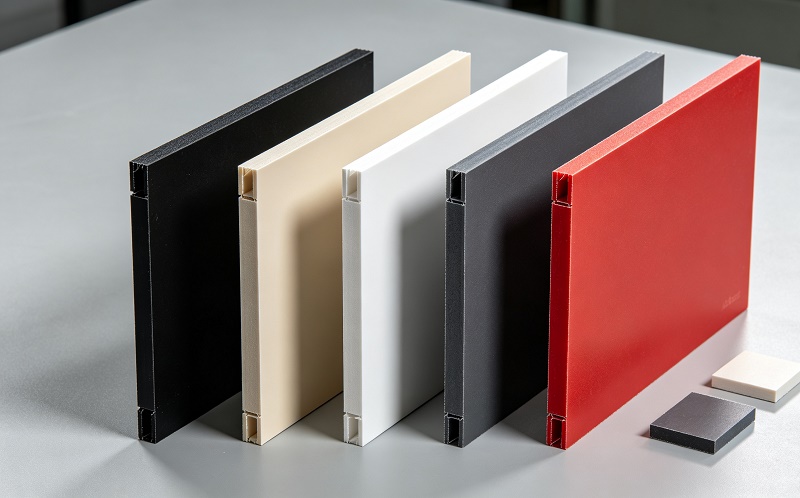
No single ABS board fits every job. The right choice depends on what your project needs. You must look at several factors before buying. These include thickness, size, color, and surface finish. Each one changes how your final part works. You also need to think about where the part will be used. Ask yourself direct questions. Will the part face outdoor sunlight? Will it carry heavy loads? Will it need frequent cleaning? Your answers guide your choice.
Determining the Correct Thickness and Size
Thickness controls how strong your part is. Thin sheets bend easily. Thick sheets offer stiffness and support. You must pick a thickness that matches the job's needs. The table below shows common recommendations:
Application | Recommended Thickness | Characteristics |
|---|---|---|
Structural (e.g., automotive parts, protective casings) | 1/4 inch (6.35 mm) | High rigidity, strength, impact resistance; suitable for heavy-duty use and high-stress environments. |
Cosmetic / detailed (e.g., decorative elements, model making) | 1/8 inch (3.175 mm) | Flexible, lighter weight; ideal for intricate designs, precise cutting, and shaping. |
Structural parts need strong impact resistance. A protective casing around heavy equipment needs that 1/4-inch thickness. It absorbs shocks without cracking. Cosmetic parts focus on looks more than load strength. A decorative panel or a model piece works well at 1/8-inch thickness. You get easier cutting and shaping.
Size matters just as much as thickness. You want to reduce waste during fabrication. Measure your final part dimensions carefully. Then add extra space for trimming and edge finishing. A good supplier offers custom sizing. Xinhejiu provides ABS sheets from 0.5mm to 12mm thick. They also cut width and length to your exact needs. This service lowers your scrap rate. You save money on material costs. You also cut down machining time. Always ask for cut-to-size options when you order.
Selecting the Right Color and Finish
Surface finish affects both looks and function. You have three main options: smooth, matte, and textured. Each serves a different purpose. A smooth ABS plastic sheet gives a high-gloss look. It suits luxury sanitary ware or building panels. A matte finish cuts down glare. It works well for car interiors where sunlight creates reflections. Textured sheets hide scratches and fingerprints. They offer a non-slip grip for handheld devices.
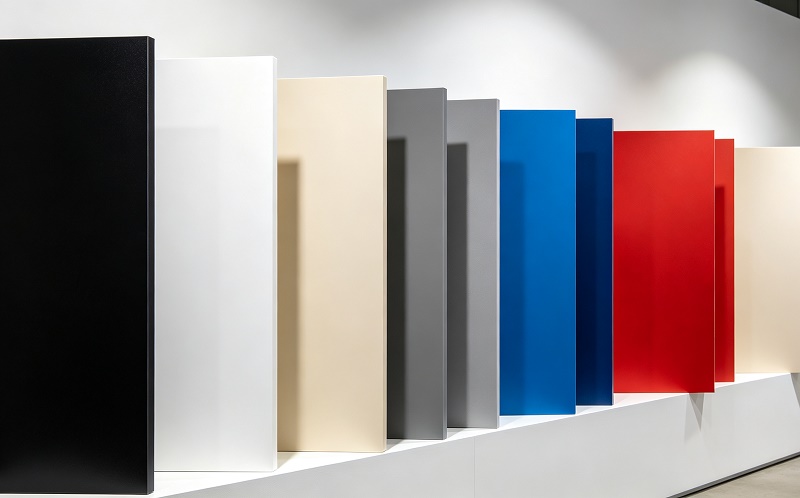
Color choice goes beyond looks. The right color can boost product visibility or brand recognition. You can match colors to RAL or Pantone standards. Xinhejiu supports precise color mixing. Their dyeability ensures even color throughout the sheet. You get bright, long-lasting colors without fading.
Outdoor use brings extra factors to consider. Sunlight breaks down standard ABS over time. You must ask for UV-resistant grades clearly. Think about these points for outdoor projects:
Climate and environmental conditions: Check local temperature extremes, humidity, and sunlight intensity, as these directly affect ABS performance.
UV exposure and weathering: Long sun exposure causes fading, chalking, and brittleness; therefore, pick ABS sheets with UV stabilizers or additives to extend service life.
Material thickness and quality: Thicker, higher-quality ABS sheets resist environmental stress better and last longer outdoors.
Proper installation: Secure mounting and good sealing prevent water entry, reducing risks of delamination or warping.
Regular maintenance: Periodic cleaning and checking for damage help keep the surface intact and allow timely repairs.
When you pick the right ABS sheets for outdoor signage, confirm the UV stabilizer content with your supplier. Ask about their weathering test data. Xinhejiu adds UV stabilizers and aging inhibitors to their sheets. These additions greatly improve outdoor lifespan. You get a product that handles harsh sun exposure.
The finish also affects cleaning routines. Smooth surfaces wipe clean easily. Textured surfaces may trap dirt in their patterns. Medical places often prefer smooth or matte finishes. These surfaces resist bacterial growth and make disinfection easier. For your projects, match the finish to the cleaning needs.
Remember that color and finish affect cost. Custom colors need more production planning. Textured finishes may add processing time. Balance your design goals with your budget limits. A trusted manufacturer helps you find that balance. They offer sample swatches for testing. You can try different finishes before placing a full order. This step prevents costly mistakes.
The strength of your ABS board depends on picking the right thickness. The appearance depends on finish and color choices. Both factors add to the final product's success. Take time to review each one carefully. Your effort pays off in a part that works exactly as intended.
Sourcing Your ABS Board: Quality and Suppliers
You have picked the right thickness and finish. Now you need to find a maker you can trust. The quality of the raw material matters just as much as the specs you choose. A sheet with perfect size can still fail if the resin has dirt or other flaws. You need a partner who watches over every step of making it.
How to Evaluate a Reliable ABS Sheet Manufacturer
Start your search by looking at certifications. These papers show that a factory follows strict rules. You want a supplier with strong quality control systems. Look for specific credentials that fit your industry needs.
Certification | What It Covers | Why It Matters for ABS |
|---|---|---|
ISO 9001:2015 | Global baseline for quality management; risk-based thinking and continual improvement | Ensures consistent ABS plastic sheets with documented material traceability |
ISO 14001:2015 | Environmental management; scrap recycling and energy monitoring | Required by brands with sustainability commitments |
ISO 45001:2018 | Worker health and safety; hazard identification and machine guarding | Verifies a safe production environment for large-format thermoforming |
IATF 16949:2016 | Automotive-specific quality standard; adds APQP, PPAP, FMEA, and zero-defect expectations | Essential for automotive projects; removes supplier approval barriers |
Xinhejiu holds IATF 16949 certification. Their lab runs strict tests on every batch. You get certified reports for smoke density, oxygen index, and impact strength. This paperwork gives you confidence before you commit to a big order.
Ask about their research and development skills. A maker with an R&D team can change formulas for your needs. They can add UV stabilizers for outdoor use. They can change impact resistance for heavy-duty parts. This flexibility helps when your projects face unusual demands.
Ask for samples before you place a bulk order. Xinhejiu gives free sample books with smooth, matte, and textured swatches. Test these samples under your real working conditions. Bend them, cut them, and expose them to heat. This hands-on testing shows quality you cannot see in photos.
The Importance of Customization and Technical Support
Price matters, but it should not be your only reason to choose. Compare quotes on technical support and customization options. A cheaper sheet costs more if you waste material during cutting. A supplier who trims sheets to your exact size cuts down your scrap rate a lot.
Xinhejiu offers flexible width and length trimming services. Their ABS board comes in thicknesses from 0.5mm to 12mm. You can ask for custom sizes that match your production needs. This service lowers your machining time and material costs. You also get access to their engineering team for technical advice.
Lead times affect your production schedule. You need a supplier who delivers on time. Standard custom orders usually follow this timeline:
Order Type | Lead Time |
|---|---|
Simple parts | 3-5 business days |
Complex parts | 5-10 business days |
Large production runs | 2-4 weeks |
Xinhejiu accepts orders of any quantity. You face no minimum order requirement. This flexibility helps you test new designs without overcommitting inventory. You can order a small batch for prototyping, then scale up once you confirm the design.
Strong technical support goes beyond the sale. You want a maker who answers questions about fabrication. They should advise on thermoforming temperatures and cutting speeds. They should help you fix warping or surface defects. This partnership stops costly mistakes during production.
The right supplier becomes part of your team. They understand your quality standards and delivery expectations. They warn you about possible issues before they become problems. This proactive approach protects your timeline and your reputation.
When you look at quotes, look past the unit price. Calculate the total cost of ownership. Factor in scrap rates, lead times, and technical support quality. A reliable partner like Xinhejiu delivers value through consistency and expertise. You gain peace of mind knowing your ABS plastic sheets meet every spec.
Take time to visit the factory if you can. Walk through their production lines and check their quality control stations. Talk with their engineers about your application. This firsthand look shows their commitment to excellence. You cannot measure trust from a data sheet alone.
Best Practices for Working with ABS Board
You have picked the right ABS sheets. Now you need to use them the right way. Good fabrication methods keep the material strong. Bad methods cause cracks, melted edges, or weak spots. Follow these tips to get the best results from your ABS board.
Cutting, Machining, and Thermoforming Tips
ABS plastic sheets cut easily when you set up correctly. Use sharp tools and watch your speed. Dull blades create heat. That heat melts the material instead of cutting it cleanly. Begin with uncoated carbide end mills. Pick a 2-flute or 3-flute design with a high helix angle. These tools remove chips fast and lower friction.
Your spindle speed depends on the ABS grade you use. Different types react to heat in different ways. The table below shows suggested speeds for common grades:
ABS Grade | Recommended Spindle Speed (RPM) |
|---|---|
General-Purpose | 3500-5000 |
High-Impact | 3000-4500 |
Flame-Retardant | 2500-3500 |
Machine Grade | 4000-6000 |
Heat-Resistant | 3000-4000 |
Glass-Filled (10-20%) | 2800-4000 |
Run your spindle at a medium speed around 5,000-10,000 RPM for most jobs. Use a fast feed rate between 50-100 inches per minute. This mix cuts quickly enough to stop heat from building up. Blow compressed air on the cutting area or use flood coolant. This keeps the ABS plastic sheets cool during long cuts.
Thermoforming needs careful temperature control. Heat the ABS sheet evenly until it becomes soft. Shape it quickly before it cools. Use a vacuum former for detailed shapes. Let the part cool slowly to stop warping. Fast cooling creates stress inside the material. That stress leads to cracks later.
Always test your settings on scrap material first. This step stops you from ruining good sheets. Change your speed and feed based on what you see. Clean cuts give smooth edges. Rough edges mean your settings need changes.
Cleaning and Maintenance for Long-Term Durability
ABS board resists many chemicals. Water, alkalis, and various acids do not harm it. This chemical resistance makes ABS sheets simple to maintain. But some solvents attack the material. Stay away from acetone, ketones, and harsh aromatic hydrocarbons. These substances soften or dissolve the surface.
Clean your ABS parts with mild soap and warm water. Use a soft cloth or sponge. Wipe gently to remove dirt and fingerprints. Rinse with clean water after that. Dry the surface with a soft towel. This easy routine keeps your parts looking fresh.
For tougher stains, use a diluted isopropyl alcohol solution. Test it on a hidden area first. Some types react differently to alcohol. Your ABS sheet supplier can tell you about safe cleaners. Ask for their advice based on your specific grade.
Regular checks extend the life of your parts. Look for cracks, discoloration, or surface wear. Catch small issues before they turn into big problems. Outdoor projects need more frequent checks. Sun exposure breaks down the material over time. UV-stabilized ABS sheets last longer in these conditions.
Proper storage also matters. Keep unused ABS plastic sheets flat in a cool, dry place. Stack them with protective paper between layers. This stops scratches and dust buildup. Follow these maintenance steps, and your ABS parts will serve you well for years. Whether you work on industrial projects or simple DIY tasks, good care makes a difference. The impact resistance of ABS handles daily wear. Your attention to cleaning preserves that durability.
Choosing the right ABS board depends on knowing its features, matching them to where you use it, and picking the right thickness and finish. You must check each factor against your specific project. The ABS plastic sheets you choose need the right strength for tough jobs or the right look for design goals. Even simple do-it-yourself projects work better when you pick the right material.
Working with a trusted supplier ensures quality and help with using the material. Manufacturers like Xinhejiu give you the reliability that important projects need. Ask good questions before you buy. Use this guide like a checklist. Are you ready to start with confidence? Contact Xinhejiu to talk about your needs and ask for a sample today. The right ABS plastic sheets are the base of successful products. You now have the knowledge to make the perfect choice for all your ABS needs.
FAQ
What is the difference between smooth, matte, and textured ABS sheets?
Smooth ABS sheets give a shiny look for high-end items. Matte ABS sheets cut down glare, which helps in car interiors. Textured ABS sheets cover scratches and offer a better grip. Pick the one that fits what your project needs to look like and do.
Can ABS sheets be used outdoors?
Yes, if you use UV-stabilized ABS types. Regular ABS breaks down when exposed to sunlight. Xinhejiu puts UV blockers in their ABS sheets so they last outside. Before you order, ask your supplier for weather test results.
How do I choose the right thickness for my ABS sheet?
Parts that hold weight need 1/4-inch thick ABS sheets for support. Parts that are mostly for looks use 1/8-inch ABS sheets. First, figure out how much load your part will carry. Thicker ABS can take more stress and impact.
Are ABS sheets safe for food contact?
Yes, Xinhejiu ABS sheets are made from 100% new resin. The material is safe and has no taste. It does not soak up much water. This makes ABS sheets a good choice for touching food.
What certifications should I look for in an ABS sheet manufacturer?
For car projects, look for IATF 16949. ISO 9001 shows they manage quality well. Xinhejiu has both of these for their ABS sheets. Their lab checks every batch of ABS.