



ABS Plastic Sheets for Various Thickness and Surface Finish Needs
 Jul 31, 2026|
 View:150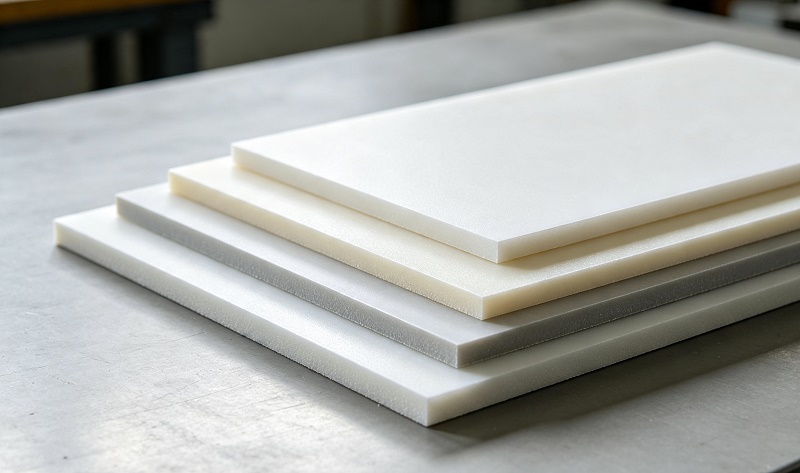
The thickness and surface texture you pick directly impact strength. They also affect how long your parts last and look. Heavy loads need thick gauges. Harsh outdoor sunlight and heavy use need scratch-resistant, UV-stable textures.
Quick Selection Guide for ABS Plastic Sheets
Heavy Load & High Impact: Pick thick gauges (0.25"–1"+). Choose haircell or matte finishes.
Visual Appeal & Detailed Shapes: Pick thin gauges (0.06"–0.125"). Choose high-gloss or smooth textures.
Match material weight and style to your work area. This steps ensures maximum durability. It also creates flawless visuals.
Key Takeaways
Pick thick ABS sheets for big loads.
Use thin sheets for easy heat bending.
Choose dull or bumpy textures.
They hide scratches well.
They also help you grip better.
Pick special ASA layers for outdoor sheets.
This stops harm from bright sunlight.
Dry the plastic sheets before heating them.
This stops bad bubbles from forming.
It also keeps the surface patterns safe.
Thickness Options for ABS Plastic Sheets
Makers build ABS plastic sheets in normal thicknesses. These run from 0.06 to 6 inches. Your chosen thickness controls panel stiffness. It controls impact strength. It also controls material stretch during heat molding. Picking correct sizes helps parts handle tough stress. It also avoids extra weight.
Gauge Classification | Common Thicknesses | Typical Applications |
|---|---|---|
Thin-Gauge | 0.06" – 0.125" | Trays, lightweight covers, quick thermoforming |
Medium-Gauge | 0.125" – 0.25" | Automotive interior panels, equipment housings |
Heavy-Gauge | 0.25" – 1.0"+ (up to 6") | Structural frames, load-bearing parts, machining stock |
Thin-Gauge ABS for Thermoforming
Thin-gauge sheets run from 0.06 to 0.125 inches. You heat thin stock fast. You shape it into complex forms. The material stretches deep. It avoids tearing at deep corners. It avoids getting too thin. Trays and small covers use this pliable size.
Medium-Gauge ABS for Panel Fabrication
Medium-gauge options run from 0.125 to 0.25 inches. This range balances bending strength and weight. You can cut these panels easily. You drill them for machine guards. You make car interior trims. These panels absorb moderate bumps. They will not bend or crack.
Heavy-Gauge ABS for Structural Uses
Heavy-gauge stocks include 0.25", 0.5", 0.75", and 1". They stretch up to 6 inches for blocks. You use heavy grades for big weight loads. These uses need high stiffness.
Pro Tip: For harsh factories, try smart blends. Pick PC/ABS alloys or co-extrusions. These advanced mixes boost cold impact strength. They also raise heat limits.
Surface Finish Varieties and Features
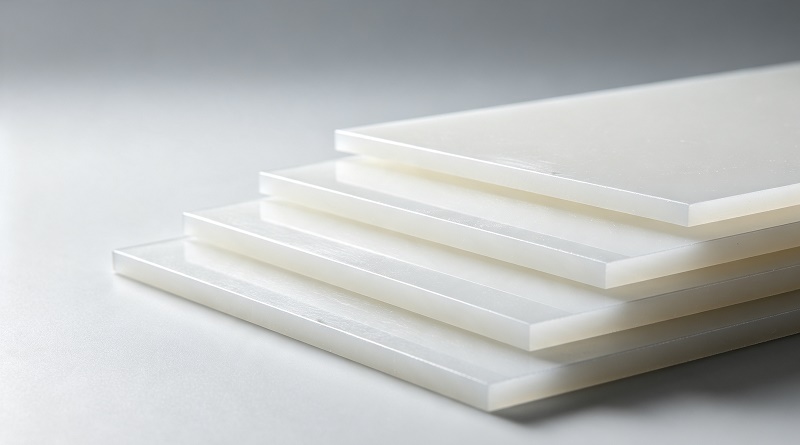
Outer textures change your product look. They change product function too. Choose textures to boost grip. Reduce bright glare easily. Improve visual style fast. Special treatments guard weather. They keep ABS plastic sheets clean.
Smooth and High-Gloss Finishes
Smooth sheets show clear details. Printing stays easy here. Apply sharp graphics directly. Add metallic inks on panels. PMMA/ABS acrylic capped sheets shine brightly. They create clear mirrors for displays. They fit bath fixtures well. Makers craft double-color sheets. Pearlescent options look high-end. Stone patterns look great too. Remember that shiny surfaces show minor marks. Direct lights highlight scuffs.
Matte and Low-Glare Textures
Matte surfaces soften bright light. They spread reflection well. These choices suit bright offices. Use them for machine guards. They work for display frames.
Matte and textured ABS finishes hide wear best. They beat glossy choices easily. For example, textured ABS materials hide tiny scratches. Scuffs show up on high-gloss resin.
Haircell and Leather Grain Finishes
Haircell textures boost hand grip. Leather grain masks daily wear. Equipment handles use these patterns. Luggage shells need tactile feel. Vehicle trims use them too.
Surface Option | Key Functional Advantage | Recommended Use |
|---|---|---|
Haircell Grain | Hides scuffs; increases hand traction | Transport interiors, toolboxes |
Leather Grain | Premium tactile feel; stain resistance | Armrests, interior trim panels |
Smart processes add 99.9% antibacterial action. This protection repels mold fast. It helps clean medical spaces.
Embossed and Patterned Surfaces
Deep patterns build tough surfaces. They suit heavy uses well. Custom designs stop slips. They protect safety on steps. They work on cladding. Co-extruded ASA/ABS layers shield UV light. This outer layer stops sun damage. Colors stay bright outside. The material resists chemical damage.
Application Matching Guide
Pick the best material easily. Match your room setup to proper sizes. Match it to correct outer textures. Wise choices save cash today. They keep items safe. They expand product life spans.
Automotive and Rail Interiors
Car cabins need fire safety rules. They also need lighter parts. Certified Flame Retardant ABS Sheets meet top UL 94 V-0 safety ranks. They stop fire fast. They stay very strong.
Dashboards and Interior Trim: Need UL 94 V-0 or V-1 ranks. These stop fire near wires.
Battery Housings: Need UL 94 V-0 ranks. Use them in electric cars.
Engine Bay Components: Need strict UL 94 5VA or 5VB ranks. Engine bays get hot.
Makers like Xinhejiu sell approved goods. They build high-speed train parts. You get total safety easily. They do not add extra weight.
Medical and Sanitary Equipment
Hospital covers and tubs need clean designs. They need tough surfaces too. Pick middle-sized panels now. These include 99.9% antibacterial action. Surfaces fight harsh chemical soap. They stop mold growth fast. Acrylic-capped sheets offer smooth covers. They stop ugly stains. They fit bath tubs well. They suit clean medical rooms.
Outdoor Signage and Cladding
No-paint outdoor panels replace heavy metal. They lower overall building costs. Sun tests simulate four years. ASA layers keep 90% impact strength. Color changes remain unseen.
Co-Extrusion Composition | Top Layer Thickness | UV Resistance Warranty | Retained Impact Resistance |
|---|---|---|---|
Pure ABS Core with ASA Layer | 0.3 mm | 10 Years | 18 kJ/m² |
Recycled ABS Core with ASA Layer | 0.2 mm | 7 Years | 15 kJ/m² |
Standard Applications for ABS Plastic Sheets
Standard ABS plastic sheets aid normal factory needs. Xinhejiu offers custom panel sizes. Their accurate CNC cuts fit plans.
Standard Sheet Footprint: 48" × 96" (4 ft × 8 ft)
Industrial Thicknesses: 0.060", 0.125", 0.250", 0.500", 1.000", up to 2.000"
Precision Machining: Precise CNC cut options. They hold ±0.005" tolerances easily.
Fabrication and Processing Considerations
You can reshape plastic sheets into complex parts. Standard workshop tools work great for this. Proper techniques protect material strength. They keep surface details looking nice.
Machining and Laser Cutting
Standard woodworking tools easily cut ABS plastic sheets. You can drill, route, and saw them. Fast speeds cause friction heat. This heat melts plastic edges quickly. Adjust your CNC settings now. This stops heat build-up while working.
Parameter | Target Value | Operational Purpose |
|---|---|---|
Spindle Speed | 5,000 to 10,000 RPM | Lowers heat; stops melting |
Feed Rate | 50 to 100 IPM | Makes thick chips to cool parts |
Laser tools seal thin panel edges smoothly. Use good air vents. Laser heat creates mild fumes.
Thermoforming and Texture Retention
Warm panels bend into deep shapes easily. Raw plastic absorbs wet air over time. Trapped water causes surface bubbles during heating.
Pre-Drying Guidelines Prior to Heating
Standard Temperature: Set ovens to 80°C (176°F).
Base Heating Time: Dry panels for 2 to 4 hours.
Thickness Rule: Add 1 hour per millimeter over 3 mm.
Careful heating protects custom surface patterns. Excessive heat flattens haircell and leather textures. Hold mold heat near 70°C. This keeps details sharp as parts cool.
Bonding and Surface Pretreatment
Clean panels build super strong glued joints. Wipe sheets with alcohol. This clears away dirt, oil, and grease.
Solvent cements fuse matching pieces together. These liquids melt surfaces. They create strong permanent bonds. Acrylic adhesives bond plastic to metal frames securely. They require no heat at all.
Review this easy list before buying material:
Physical Stress: Heavy loads need thick gauges.
Environment: Sun needs UV-protected layers.
Aesthetics & Budget: Choose finished surfaces. Skip painting steps.
Ready ABS plastic sheets save time and money. They remove costly coating steps completely. Recycled options cut carbon emissions by 40%.
Take Action: Contact Xinhejiu specialists today. Request sample sheets for your facility testing.
FAQ
How do you choose the right ABS sheet thickness for your project?
Check your needed load first. Check impact strength too. Choose thin gauges for detailed parts. Use medium gauges for car panels. Pick heavy gauges for structural loads.
Which ABS sheet finishes best conceal scratches and scuffs?
Textured ABS sheet finishes hide scuffs best. Haircell and leather grains mask wear. They scatter light well. Smooth high-gloss surfaces show marks fast. Direct light makes scratches show easily.
Texture Tip: Haircell textures improve your hand grip. They also hide friction marks well.
Can you use standard ABS plastic sheets outdoors?
Standard ABS plastic sheets damage in sunlight. Choose co-extruded ASA/ABS composite sheets instead. These special layers block bad UV rays. They keep bright colors for years.
What makes Xinhejiu composite material sheets ideal for custom manufacturing?
Xinhejiu offers custom sizes. They sell precise flame-retardant options. They make advanced co-extrusions like PMMA/ABS. You get eco-friendly, paint-free products. They match your exact needs. Contact Xinhejiu today! Request custom abs sheet samples now!