



Top 10 Applications of ABS Composite Sheets in 2026
 Sep 30, 2026|
 View:5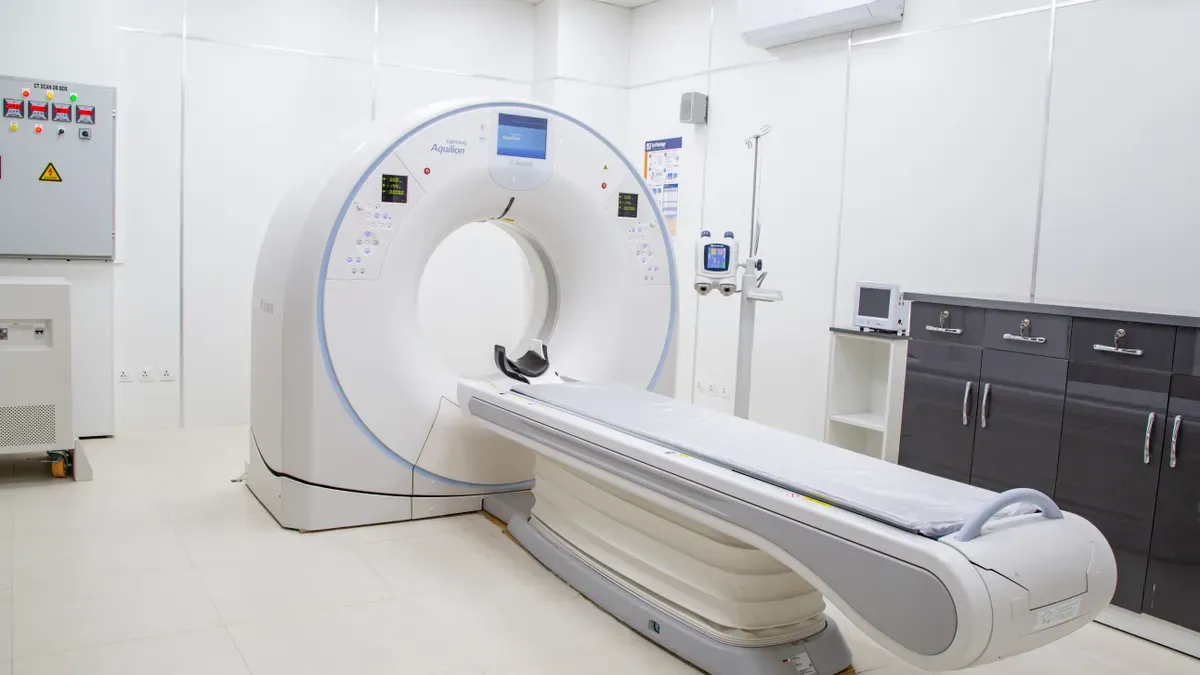
ABS composite sheets will lead in ten industries by 2026: automotive, electronics, construction, medical, consumer goods, marine, industrial, educational, art, and aerospace. You see these sheets in automotive, electronics, and construction because they are strong, resist impact, stay rigid, and can be formed into shapes. The automotive, consumer electronics, construction, and industrial sectors depend on ABS sheet for tough parts and exact shapes. This article ranks the top ten uses for ABS plastic sheet and explains the material benefits behind each one. You will learn how ABS sheets work in tough environments. The abs plastic sheet & rod market grows as more engineers pick this material for reliable, low-cost production.
Key Takeaways
ABS sheets are strong and tough. They resist impact and keep their shape. This makes them perfect for cars, electronics, and buildings.
ABS sheets handle heat, water, and chemicals well. They work in hospitals, boats, and factories. They last a long time.
You can easily cut, drill, and shape ABS sheets. This saves time and money. You can make custom parts for any project.
ABS sheets are safe. They meet fire safety rules and resist flames. They are also non-toxic and easy to clean.
The ABS market is growing fast. More industries use ABS sheets every year. This material offers great value and performance.
1. Automotive Interiors and Vacuum Forming ABS Sheet for Cars
Dashboards, Door Panels, and Trim
Car cabins depend on vacuum forming to make interior panels. Dashboards, door panels, console covers, and bumper parts are common uses. Xinhejiu’s abs sheet keeps its shape and can be dyed. The material holds exact sizes during thermoforming. It also takes precise color matching so the cabin looks even.
Vacuum forming shapes a heated abs plastic sheet into a deep, three-dimensional part. The forming temperature stays around 130–180°C. Vacuum pressure of 70–85 kPa pulls the sheet all the way into the mold. Good mold design stops tears and thin spots. Male molds need 1–3° draft; female molds need 3–5° draft. Sharp corners create stress, so designers add rounded edges. Vent holes of 0.5–1.5 mm let trapped air escape.
Heat, Impact, and Daily Wear Resistance
Interior panels deal with heat, impact, and daily wear. These automotive-grade abs sheets give high impact resistance and great finishability. The material fights scratches and keeps a clean look. However, ABS does not handle a high continuous-service temperature. Hot cabins may go past the safe range. Engineers test the part under real conditions or choose polycarbonate for the hottest spots.
Cooling control matters too. Fast cooling can warp a panel. Slow cooling cuts efficiency. Water-cooled aluminum molds boost efficiency. A slow cool-down stops locked-in stress. A stable abs sheet comes out of the mold after cooling.
These abs sheets also help the abs plastic sheet & rod market. Car builders use more ABS because it balances cost and performance. The wider market covers commercial vehicle cabs and electric car consoles. In 2026, lightweight, durable trim stays a priority. This material meets that need. The abs plastic sheet & rod market grows as more OEMs pick ABS for interior and exterior parts.
For industrial buyers, abs plastic sheets and rods support machine covers and equipment housings. Interior trim remains the biggest showcase for abs composite sheet. You get dimensional accuracy, stylish surfaces, and reliable strength.
2. Electronics Housings and Enclosures
TV Casings, Router Boxes, and Appliance Shells
Many consumer electronics products contain ABS composite sheeting, which is used for TV casings, router boxes, and appliance shells. The abs sheet has a smooth surface, and it holds paint and dye well. Makers can form it into complex shapes, and it resists cracking. After cooling, the material keeps its exact shape, so parts fit together tightly.
Electronics cases must do more than look good. The abs plastic sheet stands up to drops and everyday handling. It also fights heat from parts inside the device. That makes it a good pick for gadgets that stay on for hours. The abs plastic sheet & rod market covers small devices and big appliances. The abs plastic sheet & rod market keeps growing as smart products become more common in homes.
Electrical Insulation and Dimensional Stability
Safety is the top concern in electronics. The abs sheet blocks electric current from reaching the outer shell. This shields users from shocks and short circuits. The material barely soaks up water. Because it takes in so little moisture, the sheet will not swell or warp in damp rooms. This helps internal parts stay aligned and keep working.
Flame retardancy gives these sheets extra safety. Abs sheets with a UL94 V-0 rating put themselves out within seconds after the flame is removed. This rating is important for consumer electronics, industrial control boxes, and automotive dash parts. Confirm the rating before you buy. Have your supplier share test reports. Pick a dependable abs plastic sheet that meets UL94 V-0 and keeps your product safe. You can also ask for free samples to test the finish and stiffness. These abs sheets fit small electronics and large industrial cabinets well. Machine covers and control panels also use these same abs plastic sheets and rods. That versatility is why so many uses depend on ABS. In routers or refrigerators, this material gives insulation, stability, and fire safety in one package.
3. Construction and Building Facades
Wall Cladding, Moldings, and Window Frames
Builders use ABS composite sheet for wall cladding, moldings, and window frames. Xinhejiu's ASA/ABS SHEET has an ASA surface on top of an ABS core. This design gives you strong UV resistance and impact strength for less money than pure ASA. The ASA cap layer stops yellowing and brittleness. It keeps colors stable for 20–30 years outdoors. The ABS core adds toughness and stiffness. You also get the Insulating ASA ABS Composite Sheet Foaming Product for Building Facades. This foamed version lowers weight and improves thermal insulation. It works for exterior walls, balconies, and commercial exteriors.
These abs sheets handle sun, rain, and temperature changes. You can thermoform, bend, carve, and bond them with normal tools. That flexibility helps with custom moldings and window frames. The abs plastic sheet & rod market serves both new builds and renovations. Contractors choose these materials because they install fast and need little upkeep.
Weather Resistance and Structural Rigidity
Weather resistance decides how long a facade lasts. Xinhejiu's ASA/ABS SHEET gives excellent UV resistance and color stability. Its outdoor lifespan runs 20–30 years. The sheet also resists wind, rain, dilute acids, alkalis, salts, oils, and alcohols. You get structural rigidity without heavy metal panels.
Real lifespan depends on several things. Material formulation, ASA layer quality, panel thickness, and installation quality all matter. Climate, UV intensity, temperature variation, and maintenance play a role too. Ask your supplier about UV resistance, weathering tests, color stability, fire rating, and warranty terms. These abs plastic sheets and rods cut replacement and repair costs over time. For industrial and construction projects, that reliability pays off. You can request free samples to check finish and stiffness before you commit. The abs sheet gives you a facade that looks good and holds up. The abs plastic sheet & rod market keeps growing as more builders choose this proven material.
4. Medical Equipment and Hygiene Surfaces
Device Housings, Trays, and Bedside Panels
Hospitals and clinics depend on ABS composite sheeting for device housings, trays, and bedside panels. Xinhejiu's abs sheet is non-toxic, tasteless, and safe for contact with food. It soaks up very little water, so surfaces stay clean and dry. These traits matter in medical uses where hygiene is critical. The material also has antibacterial features. That helps cut down germ buildup on surfaces people touch often. You will find these abs sheets in sterilization equipment, diagnostic machines, and patient room furniture.
Medical-grade ABS must meet strict safety standards. The table below shows how device risk class affects certification needs.
Device Risk Class | Examples | ABS Role | Certification Requirements |
|---|---|---|---|
Class I (Low Risk) | Bandages, handheld surgical instruments, hospital bed frames | Housings, handles, cases | Basic ISO 10993-5 (cytotoxicity) usually sufficient |
Class II (Moderate Risk) | Infusion pumps, surgical needles, powered wheelchairs | External parts of devices | May require sensitization and irritation tests |
Class III (High Risk) | Pacemakers, heart valves, permanent implants | Almost never used | ABS not suitable; alternatives like PEEK or Titanium required |
Medical-grade ABS qualifies under USP <88> Class VI. This certification requires passing three in vivo tests: systemic toxicity, intracutaneous irritation, and implantation. The ISO 10993 series evaluates the finished device in its specific use context. This is the primary regulatory standard for medical devices under European MDR 2017/745 and FDA rules.
Easy Cleaning and Chemical Resistance
Hygiene surfaces need frequent cleaning. These abs plastic sheets resist water, inorganic salts, alkalis, and various acids. You can wipe them down with common disinfectants without damage. The low moisture absorption prevents swelling or bubbling during steam heating. That keeps surfaces smooth and easy to sanitize.
The abs plastic sheet & rod market serves hospitals, labs, and clinics. The abs plastic sheet & rod market grows as healthcare demand rises. You also see abs plastic sheets and rods in industrial clean rooms and food processing plants. For medical trays and bedside panels, the abs sheet delivers durability and easy maintenance. These abs sheets support safe, sterile environments across many healthcare settings.
5. Consumer Goods and Product Casings

Luggage, Toys, and Kitchen Appliance Bodies
You see ABS composite sheeting in luggage shells, toy parts, and kitchen appliance bodies. These products take a beating every day. A suitcase slides across airport floors. A toy drops from a table. A blender sits on a counter for years. The abs plastic sheet handles all of this. It resists impact without cracking. It stays stiff under load. It also holds its shape after repeated use. That makes it a smart pick for heavy-duty consumer goods.
The abs plastic sheet & rod market covers many of these items. Manufacturers choose ABS because it balances toughness and cost. The abs plastic sheet & rod market also serves small appliances and power tools. You get a material that looks good and lasts. For toys, the abs sheet must be non-toxic and tasteless. Xinhejiu's abs sheet meets that need. It also resists moisture, so kitchen appliances stay clean.
Impact Strength and Smooth Surface Finish
Impact strength matters most for consumer products. A dropped suitcase or a bumped appliance can crack lesser plastics. The abs plastic sheet absorbs that energy. It also resists scratches and scuffs. These abs sheets keep a clean look after months of use. You can also choose from many surface options. Smooth, matte, and textured finishes are available. High-gloss and low-gloss versions exist too. Embossed leather, sand grain, and wood grain patterns add style.
These abs sheets work well in industrial settings as well. Machine covers and equipment housings use the same material. You can route, cut, drill, and thermoform it with standard tools. That saves time and money. The abs plastic sheets and rods give you design freedom. You can also request free samples to test the finish. For luggage, toys, or kitchen appliances, the abs sheet delivers strength and beauty. These abs plastic sheets fit many applications across the consumer market.
6. Marine and Outdoor Equipment
Boat Interior Panels and Dock Components
Marine environments are tough on regular materials. Salt spray, constant moisture, and strong sunlight quickly break down many plastics. These conditions require an abs sheet that can survive. Xinhejiu's ASA/ABS SHEET has UV stabilizers and aging inhibitors. This design gives outdoor durability that standard ABS cannot match. For interior panels, storage compartments, and helm consoles, boat builders use these abs sheets. Dock parts like bumpers, cleats, and walkway sections also benefit from this material. The abs plastic sheet & rod market serves marinas, boat yards, and coastal construction projects. You get a material that resists water absorption and stays strong when wet.
Outdoor furniture, playground equipment, and signage near water also rely on these abs plastic sheets and rods. Because more marine and outdoor uses need reliable materials, the abs plastic sheet & rod market grows. With standard tools, you can thermoform, cut, and drill these sheets. This flexibility lets you make custom parts without special equipment.
Moisture Resistance and UV Stability
Water damages many materials over time. The abs sheet takes in little water. This trait keeps panels from swelling, warping, or bubbling. Your boat interior stays dry and stays strong. UV radiation can also harm plastics. The ASA/ABS SHEET fights this with a protective surface layer. Color stays and impact strength holds up after years of sun exposure. You get an abs sheet that looks good and performs well season after season.
Cold weather tests marine materials too. This abs plastic sheet keeps impact strength down to -30°C. That toughness stops cracking in winter storage or cold water. For industrial marine equipment, this reliability lowers replacement costs. You can ask for free samples to test the finish and stiffness. Boat interiors, dock hardware, and outdoor structures use these abs sheets. The material resists moisture, handles UV rays, and works well in cold weather.
7. Industrial Machinery and ABS Plastic Sheets & Rods
Machine Covers, Control Panels, and Guarding
Factories use ABS plastic sheets and rods to make equipment housings, machine guards, control panels, brackets, and protective covers. These materials show up in electrical enclosures, control boxes, and insulating parts. The abs plastic sheet & rod market serves factories that need strong parts that do not conduct electricity. ABS is good at blocking electric current. That makes it a smart pick for switchgear, panels, and custom enclosures. Thermoformed ABS covers keep dust and impact away from inner parts. You also find abs sheets in toolboxes, storage bins, and work surfaces. The abs plastic sheet & rod market grows as more plants swap old metal guards for lighter plastic ones.
Machinability and Load-Bearing Strength
You can cut and shape ABS with normal tools. CNC routing handles large abs sheets for panels and enclosures. CNC milling makes flat surfaces, slots, and fine details with high accuracy. Drilling gives you exact hole placement for fasteners. You can also glue several ABS parts into bigger assemblies. The table below shows the tolerances you can reach with common methods.
Machining Method | Achievable Tolerance |
|---|---|
CNC Milling & Routing (3/4/5-axis) | ±0.03 mm (±0.0012") |
CNC Turning & Lathe Operations | Tight concentricity and surface finish control |
Cut-to-Size (water jet, saw, routing) | Custom dimensions |
Laser Cutting & Engraving (CO2) | Precise details, smooth polished edges |
For best results, heat your abs sheet at 80°C for 1–2 hours before machining. This step lowers stress inside the material. Use sharp, polished carbide tools with 2–4 flutes and 3–10 mm diameter. Keep your cut depth to 1–2 mm per pass. Set spindle speed between 3000–6000 RPM. Use climb milling to cut down on chatter and burrs. Use plastic-safe mist or flood coolants at 5–10% strength. Stay away from water-based metalworking fluids. These abs sheets and rods carry loads well for gears, rollers, and spacers. The abs plastic sheets and rods also fight chemicals, so they work well for pipe fittings, valve bodies, and pump housings. For factory uses, this material gives you tight tolerances and a long service life.
8. Educational and Laboratory Fixtures
Workstations, Storage Units, and Display Boards
Schools and labs need tough surfaces for everyday use. ABS composite sheeting is found in workstations, storage units, and display boards. These abs sheets stand up to water and many chemicals. That makes them good for shelving, liners, and custom fixtures. A chemistry lab bench may get spills of dilute acids and alkalis. An abs plastic sheet wipes clean without swelling or staining. In the same spot, wood warps and metal corrodes. The abs plastic sheet & rod market serves schools, universities, and research centers. This market grows as more labs upgrade old furniture. You can cut and drill these abs plastic sheets and rods to fit any room layout. A vacuum forming ABS sheet can also shape custom trays and display stands.
Durability and Safe, Non-Reactive Surfaces
Safety is the top concern in a learning space. Xinhejiu's abs sheet is non-toxic and has no taste. Students and staff can work near it without health risks. The material absorbs very little water. Surfaces stay dry and are easy to clean. These abs sheets also resist inorganic salts, alkalis, and many acids. This non-reactive quality keeps experiments free from contamination. You get a stable surface for delicate work.
Display boards and storage bins get rough use every semester. An abs plastic sheet absorbs impact and does not crack. It holds its shape even after years of use. You can pick smooth, matte, or textured finishes. This gives you design freedom for classrooms and lab interiors. For custom fixtures, the abs sheet balances cost and performance. Ask for free samples to test the finish and stiffness before ordering. These abs plastic sheets fit science labs, art rooms, and vocational training centers.
9. Art, Signage, and Display Fabrication
Signage, Exhibition Stands, and Prototyping
Outdoor signs get hit hard by sun and rain. You need an abs sheet that keeps its color and does not turn yellow. Xinhejiu's abs plastic sheet uses UV stabilizers and aging inhibitors. This helps your signs last a long time outside. Exhibition stands and prototypes also work well with this material. You can cut, drill, and thermoform these abs sheets into complex shapes. The abs plastic sheet & rod market serves sign makers, museums, and design studios. This market grows as more brands spend money on custom displays. For prototypes, the abs sheet lets you test fit and finish before mass production. You get a real part without paying for metal tooling.
Formability, Paintability, and Aesthetic Finish
Color matching is important for brand work. Xinhejiu's abs sheet supports exact RAL and Pantone color matching. An in-house color lab makes custom colored sheet with a normal lead time of under 3 days. Custom runs start at 500 lbs. This lets you order custom sheet sizes, extruded textures, and exact Pantone matches without painting. You can also pick a RAL, Pantone, or NCS code for engraved or printed graphics.
Forming temperature controls how the final product looks. Use this guide for your project:
Sheet temperature (heating): 160–195°C — lower for thinner gauge, higher for 5+ mm.
The forming window is about 30–50°C wide. This gives you more room to work than acrylic or polycarbonate. At 150–160°C, you get higher stiffness and less risk of warping. At 170–180°C, you get better mold detail conformity. Paint that works includes acrylic, enamel, and epoxy-based paints. Clean the surface and lightly sand or flame treat it so paint sticks well. Screen printing, pad printing, and digital UV printing all work well on these abs plastic sheets. Luxury retail displays use high-gloss white or velvet-textured ABS for shelves and branded props. You can ask for free samples to test the finish. The abs plastic sheet & rod market also covers art installations and museum fixtures. These abs plastic sheets and rods give you design freedom and reliable performance.
10. Aerospace and Lightweight Components
Cabin Interiors and Non-Structural Parts
Aerospace engineers want materials that lower weight but keep strength. An abs composite sheet does that job for cabin interiors and non-structural parts. You find these sheets in overhead bin liners, sidewall panels, seat backs, and galley surfaces. They take the place of heavier metal parts and cut the total aircraft weight. Less weight means less fuel burned on every flight. It also lowers shipping and fitting costs when you send and install these parts.
The abs plastic sheet & rod market serves aviation suppliers who need lightweight materials they can trust. These abs sheets stand up to impact during turbulence and daily passenger use. They also keep their shape after years of service. You can thermoform a vacuum forming ABS sheet into curved panels that match cabin shapes. This flexibility helps you build custom interiors without costly metal tooling. The abs plastic sheet & rod market grows as more airlines update older cabins with lighter materials.
Weight Savings and Flame-Retardant Grades
Safety rules in aviation are very strict. Every material inside a cabin must pass fire safety standards. You can order abs sheets with UL94 V-0 or UL94 HB flame retardant ratings. The UL94 V-0 grade puts itself out within seconds after you remove the flame. This rating works for parts near high-risk zones. The UL94 HB grade gives a lower level of flame resistance for less critical areas. Both options help you follow safety rules for aircraft interiors.
Weight savings add up fast across a whole cabin. An abs sheet weighs much less than an aluminum panel of the same size. That gap lowers fuel costs over the life of the aircraft. These abs plastic sheets and rods also serve ground support equipment and electronics enclosures at airports. You get durability, fire safety, and weight savings in one material. For automotive and aerospace suppliers alike, the abs plastic sheet delivers proven performance. Request free samples to test stiffness and finish before you commit to a full order.
Cross-Industry Advantages of ABS Composite Sheet
Cost-Effectiveness and Design Flexibility
Xinhejiu makes eight main product series for many different industries. These include functional ABS sheets, multi-layer co-extruded ABS/PMMA sheets, extreme-weather-resistant plastic sheets, and good-function composite sheets. This range gives you choices for almost any project. You can also find uv-stabilized, flame-retardant, and bio-based options in these series. The abs composite sheet mixes durability with design freedom. You can cut, drill, and thermoform it into complex shapes without special tools.
The abs plastic sheet & rod market grows because buyers want materials that save money over time. The table below shows how these savings add up.
Cost Factor | ABS Sheet Advantage |
|---|---|
Initial material cost | More affordable than metal, wood, or glass |
Labor cost | Lightweight, easy to handle, no special equipment needed |
Maintenance cost | Resists impact, chemicals, and moisture |
Energy cost | Provides insulation, lowers heating and cooling demand |
Reliability Across Demanding Environments
The abs sheet works well in tough conditions. It resists water, salts, alkalis, and many acids. This chemical resistance means you can clean surfaces often without damage. The material also handles UV exposure and temperature swings. An abs plastic sheet keeps its strength from -30°C to high heat. That reliability cuts replacement and maintenance costs across industries.
You see these benefits in medical applications, automotive parts, and construction facades. A pc abs sheet adds even more toughness for high-stress uses. The abs plastic sheets and rods serve factories, hospitals, and schools. For outdoor projects, an ASA/ABS sheet delivers long-term color stability. These abs sheets reduce downtime and repair bills. The abs plastic sheet & rod market keeps expanding because buyers trust this proven performance.
ABS Plastic Sheet & Rod Market Outlook for 2026
Market Size and Growth Drivers
The abs plastic sheet & rod market was valued at $8.4 billion in 2025. It is projected to reach $13.6 billion by 2034, growing at a CAGR of 5.5%. That steady climb shows strong demand across many sectors. The abs plastic sheet & rod market grows because more industries need lightweight, durable materials. Automakers seeking fuel efficiency and safety standards are expanding ABS sheet adoption. Lighter parts cut fuel use and help meet crash rules. The abs plastic sheet & rod market also benefits from rising demand in electronics, construction, and industrial sectors. Each field needs tough parts that resist impact and heat. The abs plastic sheet & rod market serves all of them. The asia-pacific (apac) abs plastic sheet & rod market leads this growth. Factories in that region scale up fast and ship worldwide. The abs plastic sheet & rod market keeps expanding as new plants open. You see expanding applications in medical gear, signage, and marine equipment. The abs plastic sheet & rod market reflects that broad reach. The abs plastic sheet and rod market also tracks replacement demand. Old parts wear out, and buyers order new abs sheets and rods. The abs plastic sheet and rod market stays busy for that reason.
What Buyers Should Watch
Smart buyers track more than price. You should watch resin supply and lead times. The abs plastic sheet & rod market can swing when feedstock costs move. Ask your supplier about stock levels and shipping schedules. The abs plastic sheet & rod market rewards buyers who plan ahead. Check certifications too. A quality abs sheet meets UL94 V-0 and carries test reports. The abs plastic sheet & rod market favors suppliers with clear documents. You also want consistent thickness and color. A reliable abs sheet holds tight tolerances batch after batch. The abs plastic sheet & rod market depends on that trust. Request free samples before you commit. Test the finish, stiffness, and forming behavior. The abs plastic sheet & rod market grows when buyers share real feedback. Compare at least two suppliers. The abs plastic sheet & rod market has many options, so choose with care. A good abs plastic sheet saves money over years of use. The abs plastic sheet & rod market will keep growing in 2026 and beyond.
Choosing a Quality ABS Plastic Sheet Supplier
Certifications, Material Grades, and Consistency
Begin by asking each supplier for test reports. A good abs plastic sheet should come with certified testing papers. Check for UL94 V-0 flame retardancy, smoke density, oxygen index, and impact strength reports. EU RoHS and REACH compliance are important too. These papers prove the abs sheet has no harmful substances inside. You want a supplier who shares these documents right away.
The grade of material also matters. Ask if the abs plastic sheet uses 100% virgin ABS resin. Recycled material can make the sheet weaker and cause uneven color. Being consistent from batch to batch is just as important. You need the same thickness, color, and finish every single time. One bad batch can mess up a whole production run.
The abs plastic sheet & rod market favors suppliers who put money into capacity. Chang Zhou Xinhejiu runs four production lines with Italian technology. Their yearly capacity hits 10,000 tons. The way they make it matters: raw materials get picked for each grade, melted, and pushed through a die. Controlled cooling keeps the sheet flat. Inspectors check size, finish, color, and flaws before packing. Buyers should keep an eye on suppliers who grow their extrusion capacity. These upgrades show they care about quality and growth.
Lead Times, Support, and Custom Fabrication
Lead times affect how you plan your production. Ask about stock levels and shipping schedules. A supplier with steady domestic distribution and international order handling can meet your deadlines. Ask about bulk purchase support as well. Big orders need a steady supply and dependable logistics.
Custom fabrication matters for special projects. Good suppliers offer different thicknesses and finishes. They also help you develop custom colors. You can work out custom width, thickness, color, surface finish, and cut dimensions. Professional suppliers walk you through sheet dimensions, finishes, colors, fabrication specs, quantities, packaging, and delivery planning.
Product guidance shapes the abs plastic sheet to fit your needs. A standard abs sheet may not last through years of sun exposure. You need an ASA/ABS sheet with UV stabilizers. Free sample books are a smart first step. Xinhejiu gives sample books with smooth, matte, and textured swatches. They also offer professional color-matching services. The abs plastic sheet & rod market rewards buyers who check supplier quality early on.
The ten uses all rely on four main ABS strengths: durability, impact resistance, heat tolerance, and machinability. From car interiors to airplane cabins, these traits give you performance that saves money and allows flexible designs. The abs plastic sheet & rod market shows that trust across every industry.
You can judge suppliers with three easy steps. First, check certifications like UL94 V-0 and RoHS. Second, ask for free samples to test finish and stiffness. Third, make sure material grades match your project needs. A good abs plastic sheet saves money over years of use. The abs plastic sheet & rod market rewards buyers who plan ahead. Start your next project with confidence.
FAQ
How do I choose between a smooth ABS plastic sheet and an ABS matte sheet?
Pick a smooth ABS plastic sheet for parts that need a high-gloss finish or laminating film. Choose an ABS matte sheet or textured sheet for car parts and medical device covers. Those surfaces cut glare and resist scratches better.
Are ABS sheets suitable for outdoor applications?
Yes. Xinhejiu adds UV stabilizers and aging inhibitors to ABS sheets. These additions make outdoor lifespan much longer. The abs plastic sheet & rod market also serves signage and outdoor facilities. You can use them with confidence.
What certifications do Xinhejiu ABS sheets meet?
Our ABS sheets meet UL94 V-0 flame retardant standards. We give certified testing reports for smoke density, oxygen index, and impact strength. You can also ask for EU RoHS and REACH compliance documents.
Can I request free samples before placing a bulk order?
Absolutely. Xinhejiu gives free sample books with smooth, matte, and textured swatches. You also get professional color-matching services. Many buyers in the abs plastic sheet & rod market test materials first. This way, you check finish and stiffness.
Can you customize ABS sheet sizes to reduce my machining scrap rate?
Yes. Xinhejiu, a factory-direct manufacturer, offers flexible width and length trimming. Contact our engineering team with your required dimensions. We will help you lock in the best ABS sheet cost package.